If you’re shopping for diamond jewelry in 2025, this guide will help you understand exactly what makes these gems so special.
Best Place To Buy Diamonds In The World
 Beyond their sparkle, diamonds are incredibly durable, symbolizing commitment and tradition. If you’re shopping for diamond jewelry in 2025, this guide will help you understand exactly what makes these gems so special. – How Natural Diamonds Are Formed
– How to Choose the Right Diamond (The 4Cs)
– 2025 Jewelry Trends
– How to Care for Your Diamonds
– Ethics and Investment Value
– FAQs We’ll cover everything you need to know, from how diamonds form and the important 4Cs for choosing the right stone, to current jewelry trends, care tips, and buying ethically. They’re often passed down through families, becoming valuable heirlooms.
Natural diamonds are prized for timelessness and luxury. Their rarity can make them meaningful investments and status symbols. Owning one means a unique story. As the hardest known natural material, a diamond ring or necklace can stay brilliant for generations if cared for properly. Gifting a natural diamond also carries weight: it symbolizes commitment and tradition, as diamonds have adorned engagement rings and jewelry for hundreds of years. Collectors value that each natural diamond is one-of-a-kind – a product of an immense geological process. They’re not only stunning to look at but also incredibly durable and long-lasting.
Buy Canadian Diamonds
Imagine presenting a partner with a gem that has been patiently forming since the age of dinosaurs – a gesture that literally holds 3 billion years of history. Natural diamonds combine scientific wonder with emotional legacy, making them irresistible to luxury buyers.
Buy Diamonds In Singapore
How Natural Diamonds Are Formed
Over billions of years, extreme pressure (up to 725,000 psi) and heat (around 2200°F) force the carbon atoms into a crystal lattice that becomes diamond. Then, powerful volcanic eruptions carry diamonds upward. Only about 5% of these pipes ever contain enough diamonds to be commercially mined. They eventually reach the surface encased in special rock channels called kimberlite pipes.
– Extreme conditions: Carbon buried deep meets immense pressure. “One [diamond] is a billion or more years old and the other was recently grown in a laboratory”.
– – a dramatic age difference that only experts can detect visually. – Purity and color: Diamonds are essentially pure carbon, though trace elements (like nitrogen or boron) can tint them. – Rise to the surface: Volcanic events shoot diamonds to the crust in kimberlite or lamproite pipes, where miners discover them. Inclusions (tiny minerals trapped inside as the diamond grew) are common. – Natural vs lab-grown: Both are “crystalized carbon,” but only natural diamonds are ancient. Heat to crystallize into diamond. This process can take 1-3 billion years.
This incredible backstory is part of a diamond’s allure.
Buy Diamonds In Thaïlandaise

How to Choose the Right Diamond (The 4Cs)
When selecting a diamond, the industry standard is the 4Cs: Cut, Clarity, Color, and Carat. Understanding them is key to making an informed purchase.
GIA – a leading gem lab – pioneered the diamond grading system including the 4Cs. Here’s how they break down:
A superior cut yields maximum sparkle.
– Cut: Refers to how well the diamond’s facets are shaped and aligned. Clarity grades range from flawless (no visible flaws under 10x magnification) to included (flaws easily seen). For example, an “Ideal” cut rounds and angles facets perfectly to reflect light, creating intense fire. However, two diamonds of equal carat can differ greatly in value based on cut, clarity, and color.0-carat diamonds might cost very differently. Most inclusions are microscopic. A superior cut yields maximum sparkle. Understanding the 4Cs helps prioritize what matters to you – perhaps a bigger size (carat) or a clearer, more brilliant stone.). These certificates objectively document the 4Cs. By comparing reports, you can shop confidently, knowing you’re comparing apples to apples in terms of quality. – Clarity: Measures internal flaws (inclusions) and surface blemishes. Even with the same carat weight, a well-cut diamond will shine much brighter. – Color: Specialty fancy colored diamonds (pink, blue, yellow) are graded on separate scales and can be extremely valuable. – Carat: The physical weight of the diamond (1 carat = 0.2 grams). Larger carat stones are more rare. A clean eye and a good cut often mask minor inclusions.
2025 Jewelry Trends
Even as technology and design evolve, diamonds remain center stage in luxury jewelry. In 2025, we see a mix of bold and refined trends: traditional brilliance meets modern flair. Designers are blending classic diamonds with fresh concepts to excite affluent buyers.
There’s a nod to heritage designs.
– Sporty Diamonds: Diamonds are moving into everyday styles. The editorial highlights that “diamonds, diamonds, and more diamonds” are adorning watch dials for 2025. Even tech-inspired jewelry (like smart-watch-like bracelets) can have diamond accents. The contrast makes diamonds pop. – Colored Accents & Gemstone Mixes: Bright hues are in. This crossover of diamonds and wearables means you can carry brilliance even on practical everyday accessories. Also, fancy color diamonds (pink, blue, yellow) remain coveted: rare natural pink diamonds set records at auction, and vibrant yellow and blue diamonds are spotlight pieces in new collections. As WhoWhatWear notes, “sparkling diamonds… [are] integrated into sportier everyday pieces”. These designs mix diamond luxury with modern, versatile fashion. Think quilted gold rings set with small diamonds (e.g. Chanel’s Coco Crush collection) or tennis bracelets updated with color diamonds. – Ethical & Sustainable Luxury: More clients demand transparency. Customization also shines: many buyers commission unique cuts or settings, blending old-world charm with personal stories. As designers integrate diamonds into casual-chic rings and bracelets, your diamond collection becomes versatile, not just for special occasions. Similarly, stacking necklaces or mixing metals are in vogue; layering a fine diamond pendant with simpler chains is a popular 2025 look. This trend isn’t about appearance, but it’s a major 2025 theme: natural diamond buyers want both beauty and a clear conscience. Many fine jewelers are pairing natural diamonds with colored sapphires, emeralds, or even lesser-known gemstones. Runway jewelry has shown lots of color – jade green pearls and ruby-emerald combinations, for example. – Vintage & Heirloom Styles: There’s a nod to heritage designs. Some brands even guarantee provenance from conflict-free mines. Antique-style settings often highlight a center diamond, giving modern owners a sense of history. Appeals to those seeking something unique. Jewelers are responding by showcasing ethically sourced diamonds and recycled metals. – Diamond Watches & Wearables: Diamonds on timepieces are trending big.

How to Care for Your Diamonds
Natural diamonds are tough, but they still need proper care to maintain their sparkle. Follow these tips to keep your diamonds looking brilliant and damage-free:
– Gentle Cleaning: Diamonds pick up oils. Never wear diamonds during heavy manual work or extreme sports. They can also give your piece an ultrasonic or steam clean for a deeper polish if needed. Use a soft toothbrush to gently brush away residue, then rinse and pat dry with a lint-free cloth. Settings at least once a year. – Avoid Harsh Chemicals: Remove diamond jewelry before using household cleaners or chemicals (like bleach or acetone), as these can damage metal settings. Over time, prongs can loosen. Keep appraisals and certificates in a safe place – these documents are critical if you ever need to make a claim. Dirt from skin. Clean them monthly by soaking in warm water with a few drops of mild dish soap for 20-30 minutes. This restores sparkle without harsh chemicals. – Safe Storage: Store diamonds separately to prevent scratches. Treat them as the treasures they are: enjoy them daily, but handle with a little extra care. – Insurance: For peace of mind (especially with high-value stones), insure your diamond jewelry. Ideally, keep each piece in its own fabric-lined box or pouch. After all, it’s the hardest gem, but it can still chip if struck hard. – Periodic Inspection: Have a jeweler inspect prongs. If a ring is loose, place it in a fabric bag or compartment where it won’t rub against other jewelry. A professional check ensures stones are secure. Also, avoid exposing diamonds to strong heat (saunas, hot tubs) which could affect any gemstones in the piece or the metal.
Buy Diamonds Rings
Ethics and Investment Value
When buying natural diamonds, ethics and future value often weigh on buyers’ minds.
Lab-grown diamonds are chemically identical and usually cheaper, but they are not natural.
– Conflict-Free Assurance: Look for certified sources. – Certification: These reports verify the 4Cs. Note treatments (if any). A natural diamond’s billions-of-years story makes it historically unique. – Natural vs. Lab-Grown: Lab-grown diamonds are chemically identical and usually cheaper, but they are not natural. In general, prices for natural diamonds have trended upward slowly. – Investment Considerations: Diamonds can be a store of value, but they are not guaranteed investments like stocks. Having a certified diamond ensures you know exactly what you’re buying, which is crucial both ethically and for future value. Price trends vary by type: common near-colorless diamonds see modest inflation-like growth, while extremely rare stones can jump in value. Many collectors and traditional buyers prefer natural diamonds for this reason. The Kimberley Process Certification Scheme (KPCS), established in 2003, exists specifically to prevent “conflict diamonds” from entering the market.Participating countries agree to track diamonds from mine to market. (Chart placeholder: Diamond Price Index 2010-2025 shows a gradual increase in average prices.) Top-tier colored diamonds (think vivid pinks and blues) have historically set auction records and are considered good long-term holds due to rarity. For extra assurance, some jewelers offer diamonds independently vetted for ethical mining practices. Furthermore, natural diamonds tend to hold value better over time simply because mined supply is limited.
Where To Buy Diamonds In Dallas
In short, buying a natural diamond is partly an emotional and aesthetic choice, but you also gain an asset. By purchasing a well-documented, high-quality stone from ethical sources, you combine luxury with responsibility. Future collectors may pay premiums for that heirloom-quality assurance.
For jewelry worn daily (like engagement rings), you might clean it even more often.
FAQs
– A: Lab-grown (synthetic) diamonds have the same chemical and visual properties as natural diamonds, but they generally cost 30-60% less.
– A: Look for retailers who guarantee conflict-free diamonds. They’re made in months in a lab rather than over billions of years underground. A soak in warm soapy water with a soft brush usually does the trick. The key is rarity and quality – for example, vivid colored diamonds (pink, blue, etc.) have fetched record prices. If you choose classic round or princess-cut diamonds, focus on long-term enjoyment and insurance rather than quick profit.
– A: A certificate (or grading report) from a reputable lab documents a diamond’s 4Cs. Confirms it is natural (or if it’s lab-grown). Always ask to see the certification; it ensures you’re comparing true quality when shopping. You can also ask about a diamond’s chain of custody. Ethical buyers often prefer vendors who disclose origin (e.g. “Argyle Mine, Australia” or “Canadian-Firm Stone”) so you know exactly where the diamond comes from. Many sellers now partner with specific mines known for ethical labor practices.
– A: Diamonds can preserve wealth, but remember they’re luxury goods more than “liquid” investments. Large, top-quality natural diamonds have historically kept pace with or slightly beaten inflation, and very rare colored diamonds have skyrocketed in value at auction. However, mainstream near-colorless diamonds tend to appreciate slowly. Because natural diamonds are rarer, they typically hold value better.) that states its origin.
– A: Aim to clean diamonds at home about once a month to keep oils and dirt from dulling the stone. For jewelry worn daily (like engagement rings), you might clean it even more often. Also have a professional jeweler inspect and clean your diamonds annually, especially to check that settings are secure.
Buy Blue Diamonds
Looking for the perfect natural diamond? Check out BNB Luxury’s handpicked collection of diamonds or schedule a private appointment with our experts.
If you have any thoughts with regards to the place and how to use Buy Loose Diamonds, you can speak to us at our own internet site.
 Buying diamonds online has become increasingly popular over the years, and for good reasons.
 Not only does it offer an expansive selection that traditional brick-and-mortar stores often can’t match, but the prices tend to be significantly lower.
 You might be asking, “Is it safe to buy diamonds online?” or “What is the best place to buy diamonds –




 Lab-grown diamonds are chemically and physically identical to natural diamonds, but they’re typically about 30% cheaper. Because of this, many people are wondering if jewelers can tell the difference between a natural diamond and a lab-grown diamond.
 There are many places to buy diamonds (
 When shopping for lab-grown diamonds online, it’s important to look for diamonds that have been certified by a reputable gemological institute. Lab-grown diamonds aren’t as rare as natural diamonds, so it’s important to make sure you’re getting a quality diamond.
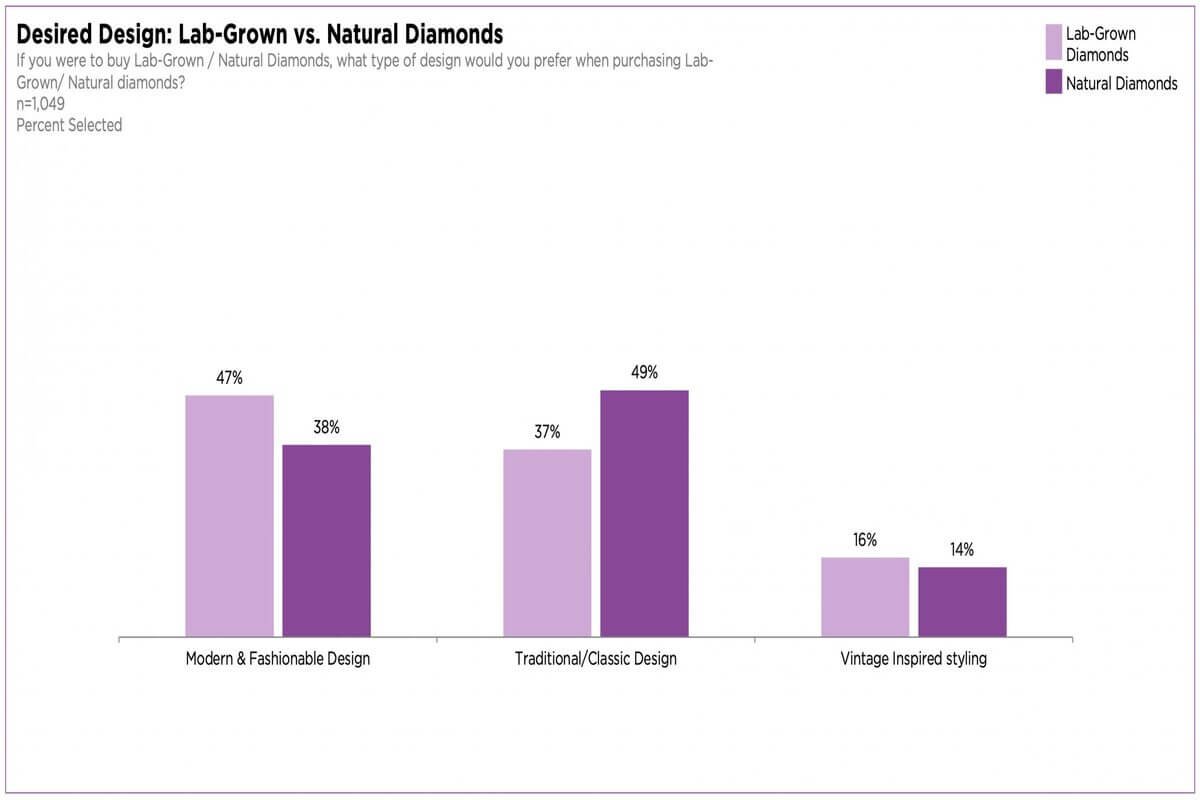 There are many places. Lab-grown diamonds are becoming more and more popular, and for good reasons. Shops where you can buy lab-grown diamonds. They’re ethically produced, environmentally friendly, and have all the beauty of natural diamonds.