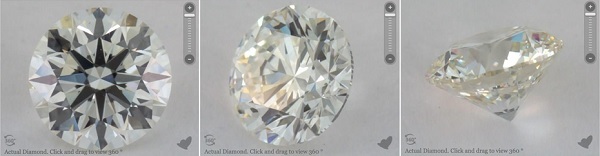
Tag: Buy Loose Diamonds

The Buy Diamonds Rings Game

Buy Diamonds In Thaïlandaisdesigner wedding rings

A wedding is undoubtedly an exciting function in any girl’s, which includes your, lifestyle. Looks corny plus clich© and much similar to a priest’s terms, ; however ,, it is really. This can be a period in which you enjoy a unification involving 2 spirits.

Buy Loose Diamonds

When preparing and also planning your wedding, you’ve two possibilities: proceed huge in addition to elaborate, or maybe proceed small , Buy Loose Diamonds Online Gia – diamonds.backtoglamour.com – straightforward. After all, most of us girls go into wedding praying that it’s going to be the sole one which you are going to enter, correct? After all, no one would challenge to go in addition to insurance policy for such and such if your budget is sufficient to acquire this handful of, but essential, items, no? If you are intending undertake a huge, without post great, marriage, then you’ve to have the spending budget to compliment ones blueprints.

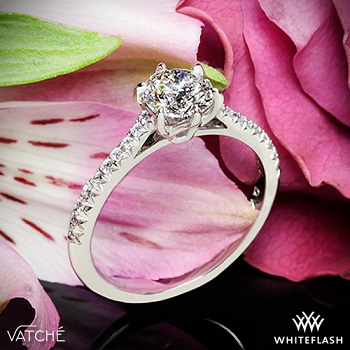
Let’s talk about the most considerations in your checklist: your wedding day engagement rings. Today, they could be delicately made, studded throughout diamonds, black pearls or another diamond rocks. They’ve got likewise started out the gold so that you can white gold or platinum, precious metal, titanium plus toner, also called tat.

If you don’t would like to proceed inexpensive about this solution, you can go for custom made marriage happens to be. Reveal to him, or even her, every piece of information, Buy Diamonds In Thaïlandaise in order that the end-result is going to be built to be just what you’ve recently been owning under consideration. ! You are prepared for your wedding! Should you not much like the versions shown inside the fashion magazines, you may likewise present this creator the diamond ring that you would like him to generate. These rings commonly appear seeing that pre-made and able to wear. Simple to perform is always to browse the designers’ catalogues for that style and design that you might want, provide them with ones wedding ring dimensions, shell out this happens to be, plus bam !

Artist wedding party jewelry have the advantage of incorporating price to your account as well as your spouse’s huge adoration for the other person. It’s another great possibility to explain to the other the amount of you actually hold dear additional. All things considered, as you are going to be shelling out some huge cash in all those jewelry, you would possibly likewise be extremely careful throughout shopping for these individuals. Even so, you’ve got to be careful if you decide in addition to visit get custom made wedding party jewelry.

Buy Diamonds In Bulk

Before you decide on what ring, know first the designer. Once you have decided on a designer, go to his store and browse over his collection. There are many designers out there, so choose one that is not linked to scams and other trickeries where selling jewelry is involved. If you do not like any of his works, do not get obligated into buying one. Remember, you are a customer and you have the freedom to choose and to refuse any item.

When you have decided on a wedding ring, have it appraised. If you are planning to buy a designer wedding ring that has diamonds, or any gemstone, set on it, then it is a very good idea to bring your very own jeweler or appraiser with you. See if it exactly contains the amount of gold or silver, or whatever it is made of, as its tag claims. He will be the one to tell you which stone is perfect and how much karat it carries. In this way, you will be ensured that you are getting your money’s worth.

When you have almost any queries regarding wherever and also the best way to employ Best Way To Buy Diamonds, you can call us with our own web site.
The Next Ten Things You Should Do For Buy Loose Diamonds Wholesale Success

Buy Blue DiamondsDiamond is a solid form of the element carbon with its atoms arranged in a crystal structure called diamond cubic. Diamond has the highest hardness and thermal conductivity of any natural material, properties that are used in major industrial applications such as cutting and polishing tools. Another solid form of carbon known as graphite is the chemically stable form of carbon at room temperature and pressure, but diamond is metastable and converts to it at a negligible rate under those conditions.

Buy Real Diamonds OnlineBecause the arrangement of atoms in diamond is extremely rigid, few types of impurity can contaminate it (two exceptions are boron and nitrogen). Diamond also has a very high refractive index. A relatively high optical dispersion. Small numbers of defects or impurities (about one per million of lattice atoms) color diamond blue (boron), yellow (nitrogen), brown (defects), green (radiation exposure), purple, pink, orange, or red.

Most natural diamonds have ages between 1 billion and 3.5 billion years. Under high pressure and temperature, carbon-containing fluids dissolved various minerals and replaced them with diamonds. Much more recently (hundreds to tens of million years ago), they were carried to the surface in volcanic eruptions and deposited in igneous rocks known as kimberlites and lamproites.

Buy Natural Diamonds

Synthetic diamonds can be grown from high-purity carbon under high pressures and temperatures or from hydrocarbon gases by chemical vapor deposition (CVD). Natural, synthetic and imitation diamonds are most commonly distinguished using optical techniques or thermal conductivity measurements.

Properties

Diamond is a solid form of pure carbon with its atoms arranged in a crystal. [4][5] Tetrahedra are rigid, the bonds are strong, and of all known substances diamond has the greatest number of atoms per unit volume, which is why it is both the hardest and the least compressible. In diamond they are sp3 and the atoms form tetrahedra with each bound to four nearest neighbors. However, the stronger bonds make graphite less flammable. The two most common allotropes of pure carbon are diamond and graphite. [2] In graphite, the bonds between nearest neighbors are even stronger, but the bonds between parallel adjacent planes are weak, so the planes easily slip past each other. Solid carbon comes in different forms known as allotropes depending on the type of chemical bond. [8] Thus, graphite is much softer than diamond. [6][7] It also has a high density, ranging from 3150 to 3530 kilograms per cubic metre (over three times the density of water) in natural diamonds and 3520 kg/m3 in pure diamond. In graphite the bonds are sp2 orbital hybrids and the atoms form in planes, with each bound to three nearest neighbors 120 degrees apart.

The highest sound velocity.

Diamonds have been adopted for many uses because of the material’s exceptional physical characteristics. [9] It also has high electrical resistance. It is chemically inert, not reacting with most corrosive substances, and has excellent biological compatibility. The highest sound velocity. It has the highest thermal conductivity. It has low adhesion and friction, and its coefficient of thermal expansion is extremely low. Its optical transparency extends from the far infrared to the deep ultraviolet and it has high optical dispersion.

Thermodynamics

The equilibrium pressure and temperature conditions for a transition between graphite and diamond are well established theoretically and experimentally. The equilibrium pressure varies linearly with temperature, between 1.[10][11] However, the phases have a wide region about this line where they can coexist.10 MPa), the stable phase of carbon is graphite, but diamond is metastable and its rate of conversion to graphite is negligible.[13]

Research results published in an article in the scientific journal Nature Physics Both planets are made up of approximately 10 percent carbon. [14][15] Since large quantities of metallic fluid can affect the magnetic field, this could serve as an explanation as to why the geographic and magnetic poles of the two planets are unaligned. Could hypothetically contain oceans of liquid carbon.

Buy Gia Certified Diamonds

Crystal structure

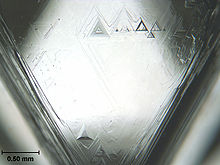
The most common crystal structure of diamond is called diamond cubic. Although there are 18 atoms in the figure, each corner atom is shared by eight unit cells and each atom in the center of a face is shared by two, so there are a total of eight atoms per unit cell. It is formed of unit cells (see the figure) stacked together. [17] [16] The length of each side of the unit cell is denoted by a and is 3.567 angstroms.
Best Place Buy Diamonds Online

The nearest neighbour distance in the diamond lattice is 1.732a/4 where a is the lattice constant, usually given in Angstrøms as a = 3.3567 nm.

Buy Diamonds In Thailand Thailand

A diamond cubic lattice can be thought of as two interpenetrating face-centered cubic lattices with one displaced by 1⁄4 of the diagonal along a cubic cell, or as one lattice with two atoms associated with each lattice point.[17] Viewed from a crystallographic direction, it is formed of layers stacked in a repeating ABCABC … pattern. Diamonds can also form an ABAB … structure, which is known as hexagonal diamond or lonsdaleite, but this is far less common and is formed under different conditions from cubic carbon.[18]

Crystal habit

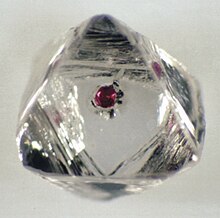
Diamonds occur most often as euhedral or rounded octahedra and twinned octahedra known as macles. As diamond’s crystal structure has a cubic arrangement of the atoms, they have many facets that belong to a cube, octahedron, rhombicosidodecahedron, tetrakis hexahedron, or disdyakis dodecahedron. The crystals can have rounded-off and unexpressive edges and can be elongated. Diamonds (especially those with rounded crystal faces) are commonly found coated in nyf, an opaque gum-like skin. [19]
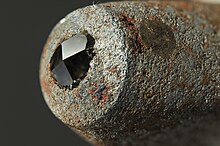
Some diamonds contain opaque fibers. Their colors range from yellow to green or gray, sometimes with cloud-like white to gray impurities. The structure is the result of numerous impurities with sizes between 1 and 5 microns. [20] They are referred to as opaque if the fibers grow from a clear substrate or fibrous if they occupy the entire crystal. Their most common shape is cuboidal, but they can also form octahedra, dodecahedra, macles, or combined shapes. These diamonds probably formed in kimberlite magma and sampled the volatiles.

Diamonds can also form polycrystalline aggregates. [20] Carbonado, a type in which the diamond grains were sintered (fused without melting by the application of heat and pressure), is black in color and tougher than single crystal diamond. [20][22][23] [21] It has never been observed in a volcanic rock. There are many theories for its origin, including formation in a star, but no consensus. There have been attempts to classify them into groups with names such as boart, ballas, stewartite, and framesite, but there is no widely accepted set of criteria.

Which Jewelry Stores Buy Diamonds

Mechanical

Hardness

Where To Buy Diamonds In New York

Diamond’s great hardness relative to other materials has been known since antiquity, and is the source of its name. This does not mean that it is infinitely hard, indestructible, or unscratchable.[24] Indeed, diamonds can be scratched by other diamonds[25] and worn down over time even by softer materials, such as vinyl phonograph records.[26]
Diamond hardness depends on its purity, crystalline perfection, and orientation: hardness is higher for flawless, pure crystals oriented to the direction (along the longest diagonal of the cubic diamond lattice).[27] Therefore, whereas it might be possible to scratch some diamonds with other materials, such as boron nitride, the hardest diamonds can only be scratched by other diamonds and nanocrystalline diamond aggregates.

Buy Loose Diamonds Online

The hardness of diamond contributes to its suitability as a gemstone. Diamonds can scratch other diamonds, but this can result in damage to one or both stones. [31] High temperature to produce diamonds that are harder than the diamonds used in hardness gauges. Because it can only be scratched by other diamonds, it maintains its polish extremely well. It is possible to treat regular diamonds under a combination of high pressure. These diamonds are generally small, perfect to semiperfect octahedra, and are used to polish other diamonds. Their hardness is associated with the crystal growth form, which is single-stage crystal growth. [29] The extreme hardness and high value of diamond means that gems are typically polished slowly, using painstaking traditional techniques and greater attention to detail than is the case with most other gemstones;[30] these tend to result in extremely flat, highly polished facets with exceptionally sharp facet edges. Diamonds also possess an extremely high refractive index and fairly high dispersion. Most other diamonds show more evidence of multiple growth stages, which produce inclusions, flaws, and defect planes in the crystal lattice, all of which affect their hardness. Hardness tests are infrequently used in practical gemology because of their potentially destructive nature. Unlike many other gems, it is well-suited to daily wear because of its resistance to scratching-perhaps contributing to its popularity as the preferred gem in engagement or wedding rings, which are often worn every day. Taken together, these factors affect the overall appearance of a polished diamond and most diamantaires still rely upon skilled use of a loupe (magnifying glass) to identify diamonds “by eye”.

Buy Diamonds In Thailand Free

Toughness

Diamond has a cleavage plane.

Somewhat related to hardness is another mechanical property toughness, which is a material’s ability to resist breakage from forceful impact.5-10 MPa· [36][37] Is therefore more fragile in some orientations than others. [34] “Impact toughness” is one of the main indexes to measure the quality of synthetic industrial diamonds.[35] This exceptionally high value, along with the hardness and transparency of diamond, are the reasons that diamond anvil cells are the main tool for high pressure experiments. m1/2. As with any material, the macroscopic geometry of a diamond contributes to its resistance to breakage. Diamond has a cleavage plane. Diamond cutters use this attribute to cleave some stones, prior to faceting. [37] Much higher pressures may be possible with nanocrystalline diamonds.

Buy Synthetic Diamonds

Elasticity and tensile strength

Usually, attempting to deform bulk diamond crystal by tension or bending results in brittle fracture. However, when single crystalline diamond is in the form of micro/nanoscale wires or needles (~100-300 nanometers in diameter, micrometers long), they can be elastically stretched by as much as 9-10 percent tensile strain without failure,[38] with a maximum local tensile stress of ~89 to 98 GPa,[39] very close to the theoretical limit for this material.[40]

Buy Diamonds In Africa

Electrical conductivity

Other specialized applications also exist or are being developed, including use as semiconductors: some blue diamonds are natural semiconductors, in contrast to most diamonds, which are excellent electrical insulators. [41] The conductivity and blue color originate from boron impurity. Boron substitutes for carbon atoms in the diamond lattice, donating a hole into the valence band.

Buy Diamonds In Thailand Online

Substantial conductivity is commonly observed in nominally undoped diamond grown by chemical vapor deposition. This conductivity is associated with hydrogen-related species adsorbed at the surface, and it can be removed by annealing or other surface treatments.[42][43]

Thin needles of diamond can be made to vary their electronic band gap from the normal 5.6 eV to near zero by selective mechanical deformation.[44]

High-purity diamond wafers 5 cm in diameter exhibit perfect resistance in one direction and perfect conductance in the other, creating the possibility of using them for quantum data storage. [45] The diamond was grown on a stepped substrate, which eliminated cracking. The material contains only 3 parts per million of nitrogen.

Surface property

Diamonds are naturally lipophilic and hydrophobic, which means the diamonds’ surface cannot be wet by water, but can be easily wet and stuck by oil. [46] This property can be utilized to extract diamonds using oil when making synthetic diamonds. However, when diamond surfaces are chemically modified with certain ions, Buy Real Diamonds Online they are expected to become so hydrophilic that they can stabilize multiple layers of water ice at human body temperature.

The surface of diamonds is partially oxidized. [47] That is to say, this heat treatment partially removes oxygen-containing functional groups. But diamonds (sp3C) are unstable against high temperature (above about 400 °C (752 °F)) under atmospheric pressure. Thus, diamonds should be reduced below this temperature. The structure gradually changes into sp2C above this temperature. The oxidized surface can be reduced by heat treatment under hydrogen flow.

Buy Real Diamonds

Chemical stability

At room temperature, diamonds do not react with any chemical reagents including strong acids and bases.

Buy Blood Diamonds

In an atmosphere of pure oxygen, diamond has an ignition point that ranges from 690 °C (1,274 °F) to 840 °C (1,540 °F); smaller crystals tend to burn more easily. It increases in temperature from red to white heat and burns with a pale blue flame, and continues to burn after the source of heat is removed. By contrast, in air the combustion will cease as soon as the heat is removed because the oxygen is diluted with nitrogen. A clear, flawless, transparent diamond is completely converted to carbon dioxide; any impurities will be left as ash. [51] [48] Heat generated from cutting a diamond will not ignite the diamond,[49] and neither will a cigarette lighter,[50] but house fires and blow torches are hot enough. Jewelers must be careful when molding the metal in a diamond ring.

Diamond powder of an appropriate grain size (around 50 microns) burns with a shower of sparks after ignition from a flame. [52] Diamond also reacts with fluorine gas above about 700 °C (1,292 °F). Consequently, pyrotechnic compositions based on synthetic diamond powder can be prepared. The resulting sparks are of the usual red-orange color, comparable to charcoal, but show a very linear trajectory which is explained by their high density.

Color

Diamond has a wide band gap of 5.5 eV corresponding to the deep ultraviolet wavelength of 225 nanometers. Transition metals nickel and cobalt, which are commonly used for growth of synthetic diamond by high-pressure high-temperature techniques, have been detected in diamond as individual atoms; the maximum concentration is 0.01% for nickel[53] and even less for cobalt. Virtually any element can be introduced to diamond by ion implantation. Appear as a clear colorless crystal. The diamond crystal lattice is exceptionally strong, and only atoms of nitrogen, boron, and hydrogen can be introduced into diamond during the growth at significant concentrations (up to atomic percents). This means that pure diamond should transmit visible light. [54] Colors in diamond originate from lattice defects and impurities.

Most diamond impurities replace a carbon atom in the crystal lattice, known as a carbon flaw.

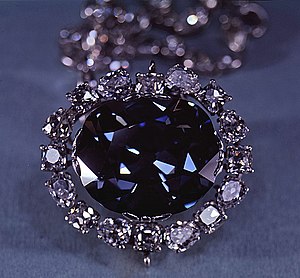
Nitrogen is by far the most common impurity found in gem diamonds and is responsible for the yellow and brown color in diamonds. Yellow diamonds of high color saturation or a different color, such as pink or blue, are called fancy colored diamonds and fall under a different grading scale.56-carat (7.03-carat (1.406 g) blue diamond fetched the highest price per carat ever paid for a diamond when it was sold at auction for 10.97 million euros, or US$9.5 million at the time). [34] “Black”, or carbonado, diamonds are not truly black, but rather contain numerous dark inclusions that give the gems their dark appearance. Colored diamonds contain impurities or structural defects that cause the coloration, while pure or nearly pure diamonds are transparent and colorless. The most common impurity, nitrogen, causes a slight to intense yellow coloration depending upon the type and concentration of nitrogen present. Most diamond impurities replace a carbon atom in the crystal lattice, known as a carbon flaw. Boron is responsible for the blue color. [60] Plastic deformation is the cause of color in some brown[56] and perhaps pink and red diamonds.[57] In order of increasing rarity, yellow diamond is followed by brown, colorless, then by blue, green, black, pink, orange, purple, and red. [59] That record was, however, beaten the same year: a 5-carat (1.0 g) vivid pink diamond was sold for $10. [55] Color in diamond has two additional sources: irradiation (usually by alpha particles), that causes the color in green diamonds, and plastic deformation of the diamond crystal lattice. [34] The Gemological Institute of America (GIA) classifies low saturation yellow and brown diamonds as diamonds in the normal color range, and applies a grading scale from “D” (colorless) to “Z” (light yellow).

Impurities in natural diamonds are due to the presence of natural minerals and oxides.

Clarity

Clarity is one of the 4C’s (color, clarity, cut and carat weight) that helps in identifying the quality of diamonds. [61] Inclusions in diamond can be extracted by optical methods. Impurities in natural diamonds are due to the presence of natural minerals and oxides. [62] The clarity scale grades the diamond based on the color, size, location of impurity and quantity of clarity visible under 10x magnification. The process is to take pre-enhancement images, identifying the inclusion removal part and finally removing the diamond facets and noises.

Buy Diamonds In Thailand 2017

Fluorescence

[63] Incandescent lighting will not cause a diamond to fluoresce. Diamonds can fluoresce in a variety of colours including blue (most common), orange, yellow, white, green and very rarely red and purple. Although the causes are not well understood, variations in the atomic structure, such as the number of nitrogen atoms present are thought to contribute to the phenomenon.

Buy Diamonds Jewellery Online

Thermal Conductivity

[64] Their high refractive index is also indicative, but other materials have similar refractivity.

Geology

Diamonds are extremely rare, with concentrations of at most parts per billion in source rock. Loose diamonds are also found along existing and ancient shorelines, where they tend to accumulate because of their size and density. [68] These have evenly distributed microdiamonds that show no sign of transport by magma. [20] Before the 20th century, most diamonds were found in alluvial deposits. [66] Impact-type microdiamonds can be used as an indicator of ancient impact craters. Some blocks of the crust, or terranes, have been buried deep enough as the crust thickened so they experienced ultra-high-pressure metamorphism. In addition, when meteorites strike the ground, the shock wave can produce high enough temperatures and pressures for microdiamonds and nanodiamonds to form. However, there are other sources.

Buy Diamonds In Thaïlandaise

A common misconception is that diamonds form from highly compressed coal. It is possible that diamonds can form from coal in subduction zones, but diamonds formed in this way are rare, and the carbon source is more likely carbonate rocks and organic carbon in sediments, rather than coal. [69][70] Coal is formed from buried prehistoric plants, and most diamonds that have been dated are far older than the first land plants.

Surface distribution

5 billion years or more. The Argyle diamond mine in Australia, the largest producer of diamonds by weight in the world, is located in a mobile belt, also known as an orogenic belt,[72] a weaker zone surrounding the central craton that has undergone compressional tectonics. Instead of kimberlite, the host rock is lamproite.[66]

It is hybrid rock with a chaotic mixture of small minerals.

Kimberlites can be found in narrow (1 to 4 meters) dikes and sills, and in pipes with diameters that range from about 75 m to 1.5 km. The composition forms a continuum with carbonatites, but the latter have too much oxygen for carbon to exist in a pure form. It is hybrid rock with a chaotic mixture of small minerals. Rock fragments (clasts) up to the size of watermelons. They are a mixture of xenocrysts and xenoliths (minerals and rocks carried up from the lower crust and mantle), pieces of surface rock, altered minerals such as serpentine, and new minerals that crystallized during the eruption. Instead, it is locked up in the mineral calcite (CaCO
3).[66] Fresh rock is dark bluish green to greenish gray, but after exposure rapidly turns brown and crumbles. The texture varies with depth.

Buy Loose Diamonds

All three of the diamond-bearing rocks (kimberlite, lamproite and lamprophyre) lack certain minerals (melilite and kalsilite) that are incompatible with diamond formation. They are all derived from magma types that erupt rapidly from small amounts of melt, are rich in volatiles and magnesium oxide, and are less oxidizing than more common mantle melts such as basalt. [66] These characteristics allow the melts to carry diamonds to the surface before they dissolve.

Modeling of the geological history.

Exploration

Kimberlite pipes can be difficult to find. In any case, kimberlites are often covered with vegetation, sediments, soils, or lakes. Tend to have lower topographic relief than surrounding rock. Modeling of the geological history. If they are visible in outcrops, the diamonds are never visible because they are so rare. They weather quickly (within a few years after exposure). In modern searches, geophysical methods such as aeromagnetic surveys, electrical resistivity, and gravimetry, help identify promising regions to explore. Then surveyors must go to the area and collect samples, looking for kimberlite fragments or indicator minerals. This is aided by isotopic dating. [66] However, indicator minerals can be misleading; a better approach is geothermobarometry, where the compositions of minerals are analyzed as if they were in equilibrium with mantle minerals. The latter have compositions that reflect the conditions where diamonds form, such as extreme melt depletion or high pressures in eclogites.
Finding kimberlites requires persistence, and only a small fraction contain diamonds that are commercially viable. Since existing mines have lifetimes of as little as 25 years, there could be a shortage of new diamonds in the future.[66]

The kimberlites themselves are much younger.

Ages

Diamonds are dated by analyzing inclusions using the decay of radioactive isotopes. No kimberlite has erupted in human history. Thus, the kimberlites formed independently of the diamonds and served only to transport them to the surface. The kimberlites themselves are much younger. Depending on the elemental abundances, one can look at the decay of rubidium to strontium, samarium to neodymium, uranium to lead, argon-40 to argon-39, or rhenium to osmium. [66] The reason for the lack of older kimberlites is unknown, but it suggests there was some change in mantle chemistry or tectonics. Those found in kimberlites have ages ranging from 1 to 3.5 billion years, and there can be multiple ages in the same kimberlite, indicating multiple episodes of diamond formation. [20][66] Kimberlites are also much younger than the cratons they have erupted through.

Origin in mantle

Most gem-quality diamonds come from depths of 150-250 km in the lithosphere. Such depths occur below cratons in mantle keels, the thickest part of the lithosphere. These regions have high enough pressure and temperature to allow diamonds to form and they are not convecting, so diamonds can be stored for billions of years until a kimberlite eruption samples them. [66]

Host rocks in a mantle keel include harzburgite and lherzolite, two type of peridotite. The most dominant rock type in the upper mantle, peridotite is an igneous rock consisting mostly of the minerals olivine and pyroxene; it is low in silica and high in magnesium. [20] However, diamonds in peridotite rarely survive the trip to the surface. [66] Another common source that does keep diamonds intact is eclogite, a metamorphic rock that typically forms from basalt as an oceanic plate plunges into the mantle at a subduction zone.

A smaller fraction of diamonds (about 150 have been studied) come from depths of 330-660 km, a region that includes the transition zone. [20] A similar proportion of diamonds comes from the lower mantle at depths between 660 and 800 km. They formed in eclogite but are distinguished from diamonds of shallower origin by inclusions of majorite (a form of garnet with excess silicon).

Can You Buy Diamonds In Thailand

Diamond is thermodynamically stable at high pressures and temperatures, with the phase transition from graphite occurring at greater temperatures as the pressure increases.5 gigapascals, corresponding to depths of 150 kilometers or greater. Thus, the deeper origin of some diamonds may reflect unusual growth environments. The inclusions formed at depths between 400 and 800 km, straddling the upper and lower mantle, and provide evidence for water-rich fluid at these depths. At depths greater than 240 km, iron-nickel metal phases are present and carbon is likely to be either dissolved in them or in the form of carbides. [75][76] In subduction zones, which are colder, it becomes stable at temperatures of 800 °C and pressures of 3.5 gigapascals.

Carbon has two stable isotopes, 12C and 13C, in a ratio of approximately 99:1 by mass.

Carbon sources

The mantle has roughly one billion gigatonnes of carbon (for comparison, the atmosphere-ocean system has about 44,000 gigatonnes). The fraction is generally compared to a standard sample using a ratio δ13C expressed in parts per thousand. It can also be altered by surface processes like photosynthesis. On the surface, organic sediments have an average of −25 while carbonates have an average of 0.[20] [77] Carbon has two stable isotopes, 12C and 13C, in a ratio of approximately 99:1 by mass. Common rocks from the mantle such as basalts, carbonatites, and kimberlites have ratios between −8 and −2.

Populations of diamonds from different sources have distributions of δ13C that vary markedly. This variability implies that they are not formed from carbon that is primordial (having resided in the mantle since the Earth formed). [66] Peridotitic diamonds are mostly within the typical mantle range; eclogitic diamonds have values from −40 to +3, although the peak of the distribution is in the mantle range. Instead, they are the result of tectonic processes, although (given the ages of diamonds) not necessarily the same tectonic processes that act in the present.

Formation and growth

Diamonds in the mantle form through a metasomatic C-O-H-N-S fluid or melt dissolves minerals in a rock. Replaces them with new minerals. (The vague term C-O-H-N-S is commonly used because the exact composition is not known.) Diamonds form from this fluid either by reduction of oxidized carbon (e.g., CO2 or CO3) or oxidation of a reduced phase such as methane.[20]

Using probes such as polarized light, photoluminescence, and cathodoluminescence, a series of growth zones can be identified in diamonds. Diamonds from below the lithosphere have a more irregular, almost polycrystalline texture, reflecting the higher temperatures and pressures as well as the transport of the diamonds by convection. [66] The characteristic pattern in diamonds from the lithosphere involves a nearly concentric series of zones with very thin oscillations in luminescence and alternating episodes where the carbon is resorbed by the fluid and then grown again.

Transport to the surface

Geological evidence supports a model in which kimberlite magma rises at 4-20 meters per second, creating an upward path by hydraulic fracturing of the rock. As the eruption wanes, there is pyroclastic phase and then metamorphism and hydration produces serpentinites. Then, at lower pressures, the rock is eroded, forming a pipe and producing fragmented rock (breccia). [66] At the surface, the initial eruption explodes out through fissures at high speeds (over 200 m/s (450 mph)). As the pressure decreases, a vapor phase exsolves from the magma, and this helps to keep the magma fluid.

Buy Diamonds Rings Online

Double diamonds

In rare cases, diamonds have been found that contain a cavity within which is a second diamond.[79]
In space

In meteorites, about three percent of the carbon is in the form of nanodiamonds, having diameters of a few nanometers. [81][82][83] Some extrasolar planets may be almost entirely composed of diamond. Sufficiently small diamonds can form in the cold of space because their lower surface energy makes them more stable than graphite. [84]

Buy Loose Certified Diamonds

Diamonds may exist in carbon-rich stars, particularly white dwarfs. One theory for the origin of carbonado, the toughest form of diamond, is that it originated in a white dwarf or supernova. [87] [85][86] Diamonds formed in stars may have been the first minerals.

Buy Single Diamonds

Industry

The most familiar uses of diamonds today are as gemstones used for adornment, and as industrial abrasives for cutting hard materials. Industrial-grade diamonds value diamonds differently. The markets for gem-grade.

Gem-grade diamonds

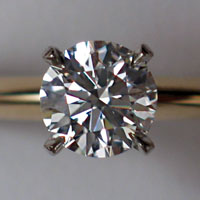
The dispersion of white light into spectral colors is the primary gemological characteristic of gem diamonds. Four characteristics, known informally as the four Cs, are now commonly used as the basic descriptors of diamonds: these are its mass in carats (a carat being equal to 0.2 grams), cut (quality of the cut is graded according to proportions, symmetry and polish), color (how close to white or colorless; for fancy diamonds how intense is its hue), and clarity (how free is it from inclusions). In the 20th century, experts in gemology developed methods of grading diamonds and other gemstones based on the characteristics most important to their value as a gem. A large, flawless diamond is known as a paragon. [88]

A large trade in gem-grade diamonds exists. For most of the 20th century over 80% of the world’s rough diamonds passed through De Beers,[94] but by 2001-2009 the figure had decreased to around 45%,[95] and by 2013 the company’s market share had further decreased to around 38% in value terms and even less by volume. One contributory factor is the geological nature of diamond deposits: several large primary kimberlite-pipe mines each account for significant portions of market share (such as the Jwaneng mine in Botswana, which is a single large-pit mine that can produce between 12,500,000 and 15,000,000 carats (2,500 and 3,000 kg) of diamonds per year[90]). Secondary alluvial diamond deposits, on the other hand, tend to be fragmented amongst many different operators because they can be dispersed over many hundreds of square kilometers (e.g., alluvial deposits in Brazil). Although most gem-grade diamonds are sold newly polished, there is a well-established market for resale of polished diamonds (e.g. pawnbroking, auctions, second-hand jewelry stores, diamantaires, bourses, etc.). [96] De Beers sold off the vast majority of its diamond stockpile in the late 1990s – early 2000s[97] and the remainder largely represents working stock (diamonds that are being sorted before sale).[98] This was well documented in the press[99] but remains little known to the general public.[101] Alrosa had to suspend their sales in October 2008 due to the global energy crisis,[citation needed] but the company reported that it had resumed selling rough diamonds on the open market by October 2009.

[106] The cutting and polishing of rough diamonds is a specialized skill that is concentrated in a limited number of locations worldwide.[91]
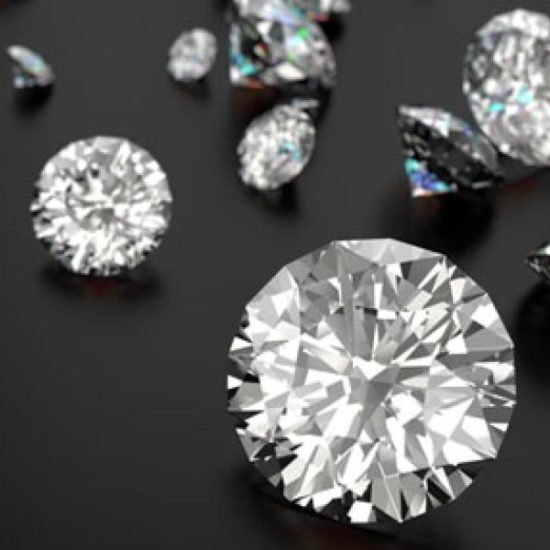
Diamonds prepared as gemstones are sold on diamond exchanges called bourses. There are 28 registered diamond bourses in the world. [108] Diamonds can be sold already set in jewelry, or sold unset (“loose”). [107] Bourses are the final tightly controlled step in the diamond supply chain; wholesalers and even retailers are able to buy relatively small lots of diamonds at the bourses, after which they are prepared for final sale to the consumer.

Can You Buy Diamonds In ThailandCutting

Mined rough diamonds are converted into gems through a multi-step process called “cutting”. [110] Some of them may be considered as classical, such as round, pear, marquise, oval, hearts and arrows diamonds, etc.[111] Its final goal is to produce a faceted jewel where the specific angles between the facets would optimize the diamond luster, that is dispersion of white light, whereas the number and area of facets would determine the weight of the final product. Therefore, diamond cutting is traditionally considered as a delicate procedure requiring skills, scientific knowledge, tools and experience. Can be of the order of 50%.[109] Several possible shapes are considered, but the final decision is often determined not only by scientific, but also practical considerations. Diamonds are extremely hard, but also brittle and can be split up by a single blow. The weight reduction upon cutting is significant. For example, the diamond might be intended for display or for wear, in a ring or a necklace, singled or surrounded by other gems of certain color and shape.
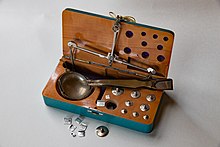
The most time-consuming part of the cutting is the preliminary analysis of the rough stone. It needs to address a large number of issues, bears much responsibility, and therefore can last years in case of unique diamonds. The following issues are considered:

Alternatively, it can be cut with a diamond saw, which is a more reliable but tedious procedure.

– The hardness of diamond and its ability to cleave strongly depend on the crystal orientation. [110][112]

After initial cutting, the diamond is shaped in numerous stages of polishing. [113] After polishing, the diamond is reexamined for possible flaws, either remaining or induced by the process. – The diamond can be split by a single, well calculated blow of a hammer to a pointed tool, which is quick, but risky. [29] The associated technique is well developed; it is considered as a routine and can be performed by technicians. Alternatively, it can be cut with a diamond saw, which is a more reliable but tedious procedure. The cutter has to decide which flaws are to be removed by the cutting and which could be kept. Unlike cutting, which is a responsible but quick operation, polishing removes material by gradual erosion and is extremely time-consuming. Remaining non-diamond inclusions are removed through laser drilling and filling of the voids produced. Those flaws are concealed through various diamond enhancement techniques, such as repolishing, crack filling, or clever arrangement of the stone in the jewelry. – Most diamonds contain visible non-diamond inclusions and crystal flaws.

Buy Man Made Diamonds

Marketing

Marketing has significantly affected the image of diamond as a valuable commodity.
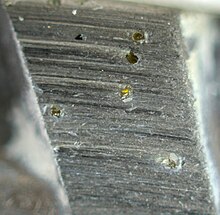
Buy Diamonds In Thailande.Com

N. W. N. W.[115] The campaign lasted for decades but was effectively discontinued by early 2011.[115] The campaign was perhaps best captured by the slogan “a diamond is forever”.

Brown-colored diamonds constituted a significant part of the diamond production, and were predominantly used for industrial purposes. They were seen as worthless for jewelry (not even being assessed on the diamond color (Suggested Website) scale).[121]

Industrial-grade diamonds

Eighty percent of mined diamonds (equal to about 135,000,000 carats (27,000 kg) annually) are unsuitable for use as gemstones and are used industrially. Approximately 90% of diamond grinding grit is currently of synthetic origin.[123]

The boundary between gem-quality diamonds and industrial diamonds is poorly defined and partly depends on market conditions (for example, if demand for polished diamonds is high, some lower-grade stones will be polished into low-quality or small gemstones rather than being sold for industrial use). Within the category of industrial diamonds, there is a sub-category comprising the lowest-quality, mostly opaque stones, which are known as bort.[124]

Buy Diamonds Las Vegas

Industrial use of diamonds has historically been associated with their hardness, which makes diamond the ideal material for cutting and grinding tools. [125] Diamond is not suitable for machining ferrous alloys at high speeds, as carbon is soluble in iron at the high temperatures created by high-speed machining, leading to greatly increased wear on diamond tools compared to alternatives. Less expensive industrial-grade diamonds (bort) with more flaws and poorer color than gems, are used for such purposes. [126] As the hardest known naturally occurring material, diamond can be used to polish, cut, or wear away any material, including other diamonds. Common industrial applications of this property include diamond-tipped drill bits and saws, and the use of diamond powder as an abrasive.

Specialized applications include use in laboratories as containment for high-pressure experiments (see diamond anvil cell), high-performance bearings, and limited use in specialized windows. The high thermal conductivity of diamond makes it suitable as a heat sink for integrated circuits in electronics. [127] [124] With the continuing advances being made in the production of synthetic diamonds, future applications are becoming feasible.

Buy Loose Diamonds Nyc

Mining

The mining and distribution of natural diamonds are subjects of frequent controversy such as concerns over the sale of blood diamonds or conflict diamonds by African paramilitary groups.[129] The diamond supply chain is controlled by a limited number of powerful businesses, and is also highly concentrated in a small number of locations around the world.

Only a very small fraction of the diamond ore consists of actual diamonds. The ore is crushed, during which care is required not to destroy larger diamonds, and then sorted by density. Before the use of X-rays became commonplace,[109] the separation was done with grease belts; diamonds have a stronger tendency to stick to grease than the other minerals in the ore.[34]

[134] Production has increased over time and now an accumulated total of 4,500,000,000 carats (900,000 kg) have been mined since that date.[135] Twenty percent of that amount has been mined in the last five years, and during the last 10 years, nine new mines have started production; four more are waiting to be opened soon.[135]

In the U.S.S.[123] Diamond prospectors continue to search the globe for diamond-bearing kimberlite and lamproite pipes. [140] This is done by requiring diamond-producing countries to provide proof that the money they make from selling the diamonds is not used to fund criminal or revolutionary activities. Diamonds sold through this process are known as conflict diamonds or blood diamonds.

The Canadian Government has set up a body known as the Canadian Diamond Code of Conduct[142] to help authenticate Canadian diamonds.[143]

Mineral resource exploitation in general causes irreversible environmental damage, which must be weighed against the socio-economic benefits to a country.[144]

Synthetics, simulants, and enhancements

Synthetics

The gemological and industrial uses of diamond have created a large demand for rough stones. [65] It is possible to make colorless synthetic gemstones that, on a molecular level, are identical to natural stones and so visually similar that only a gemologist with special equipment can tell the difference. [145] However, in recent years it has become possible to produce gem-quality synthetic diamonds of significant size. This demand has been satisfied in large part by synthetic diamonds, which have been manufactured by various processes for more than half a century.

The majority of commercially available synthetic diamonds are yellow and are produced by so-called high-pressure high-temperature (HPHT) processes. Other colors may also be reproduced such as blue, green or pink, Buy Certified Diamonds – http://diamonds.backtoglamour.com/2020/06/02/six-solid-reasons-to-avoid-buy-pink-diamonds-online/ – which are a result of the addition of boron or from irradiation after synthesis. [147] [146] The yellow color is caused by nitrogen impurities.

Another popular method of growing synthetic diamond is chemical vapor deposition (CVD). [148] This method is mostly used for coatings, but can also produce single crystals several millimeters in size (see picture). [128] It involves feeding a mixture of gases (typically 1 to 99 methane to hydrogen) into a chamber and splitting them into chemically active radicals in a plasma ignited by microwaves, hot filament, arc discharge, welding torch, or laser.

As of 2010, nearly all 5,000 million carats (1,000 tonnes) of synthetic diamonds produced per year are for industrial use. Around 50% of the 133 million carats of natural diamonds mined per year end up in industrial use.01% of natural diamonds are fancy-colored, while most synthetic diamonds are colored in some way.[150]

Synthetic diamonds of various colors grown by the high-pressure high-temperature technique

Colorless gem cut from diamond grown by chemical vapor deposition

Simulants

A diamond simulant is a non-diamond material that is used to simulate the appearance of a diamond, and may be referred to as diamante. [151] Both are produced synthetically. The gemstone moissanite (silicon carbide) can be treated as a diamond simulant, though more costly to produce than cubic zirconia. Cubic zirconia is the most common.

Enhancements

Diamond enhancements are specific treatments performed on natural or synthetic diamonds (usually those already cut and polished into a gem), which are designed to better the gemological characteristics of the stone in one or more ways. These include laser drilling to remove inclusions, application of sealants to fill cracks, treatments to improve a white diamond’s color grade, and treatments to give fancy color to a white diamond.[152]

Coatings are increasingly used to give a diamond simulant such as cubic zirconia a more “diamond-like” appearance. One such substance is diamond-like carbon-an amorphous carbonaceous material that has some physical properties similar to those of the diamond. Advertising suggests that such a coating would transfer some of these diamond-like properties to the coated stone, hence enhancing the diamond simulant. [153]

This test is destructive, as a diamond can scratch another diamond, and is rarely used nowadays.

Identification

Early diamond identification tests included a scratch test relying on the superior hardness of diamond. These probes consist of a pair of battery-powered thermistors mounted in a fine copper tip. Instead, diamond identification relies on its superior thermal conductivity. [154] This test is destructive, as a diamond can scratch another diamond, and is rarely used nowadays. One thermistor functions as a heating device while the other measures the temperature of the copper tip: if the stone being tested is a diamond, it will conduct the tip’s thermal energy rapidly enough to produce a measurable temperature drop. Electronic thermal probes are widely used in the gemological centers to separate diamonds from their imitations. This test takes about two to three seconds.

Whereas the thermal probe can separate diamonds from most of their simulants, distinguishing between various types of diamond, for example synthetic or natural, irradiated or non-irradiated, etc., requires more advanced, optical techniques. [155] “Perfect” crystals (at the atomic lattice level) have never been found, so both natural and synthetic diamonds always possess characteristic imperfections, arising from the circumstances of their crystal growth, that allow them to be distinguished from each other.[156] They can also identify the vast majority of treated natural diamonds. Optical techniques can distinguish between natural diamonds and synthetic diamonds. Those techniques are also used for some diamonds simulants, such as silicon carbide, which pass the thermal conductivity test.

Laboratories use techniques such as spectroscopy, microscopy, and luminescence under shortwave ultraviolet light to determine a diamond’s origin.[155] They also use specially made instruments to aid them in the identification process. Two screening instruments are the DiamondSure and the DiamondView[157]

Several methods for identifying synthetic diamonds can be performed, depending on the method of production and the color of the diamond. D-J colored diamonds can be screened through the Swiss Gemmological Institute’s[158] Diamond Spotter.[156] Similarly, natural diamonds usually have minor imperfections and flaws, such as inclusions of foreign material, that are not seen in synthetic diamonds. CVD diamonds can usually be identified by an orange fluorescence.

Screening devices based on diamond type detection can be used to make a distinction between diamonds that are certainly natural and diamonds that are potentially synthetic. Those potentially synthetic diamonds require more investigation in a specialized lab.

Etymology, earliest use and composition discovery

The name diamond is derived from Ancient Greek: ἀδάμας (adámas), ‘proper, unalterable, unbreakable, untamed’, from ἀ- (a-), ‘not’ + Ancient Greek: δαμάω (damáō), ‘to overpower, tame’. [160][161] The popularity of diamonds has risen since the 19th century because of increased supply, improved cutting and polishing techniques, growth in the world economy, and innovative and successful advertising campaigns. [30] Their usage in engraving tools also dates to early human history. [163] By demonstrating that burning diamond and graphite releases the same amount of gas, he established the chemical equivalence of these substances.

See also

Minerals portal

Deep carbon cycle
Diamondoid
List of diamonds List of largest rough diamonds

Citations

^ “IMA-CNMNC approved mineral symbols”. Mineralogical Magazine. 85 (3): 291-320. Bibcode:2021MinM…85..291W. doi:10.1180/mgm.2021.43.
^ a b “Diamond”. Mindat.
^ “Diamond”. WebMineral.
^ “Polymorphism of carbon”.). Graphite and precursors. Gordon & Breach. JCK. Jckonline.com. Archived from the original on January 7, 2013. Retrieved September 9, 2012.
^ a b Epstein EJ (1982).”. The Atlantic. Retrieved May 5, 2009.
^ Bates R (January 14, 2011). “Interview with Forevermark CEO”. JCK. Jckonline.com. Archived from the original on November 28, 2012. Retrieved September 9, 2012.
^ Harlow GE (1998). The nature of diamonds. Cambridge University Press. p. 34. ISBN 978-0-521-62935-5.
^ Kogel JE (2006). Industrial minerals & rocks. Society for Mining, Metallurgy, and Exploration (U.S.). p. 416. ISBN 978-0-87335-233-8.
^ “The Australian Diamond Industry”. Archived from the original on July 16, 2009. Retrieved August 4, 2009.
^ Erlich E, Hausel DW (2002). Diamond deposits: origin, exploration, and history of discovery. SME. p. 158. ISBN 978-0-87335-213-0.
^ “Diamond: The mineral Diamond information and pictures”. minerals.net. Retrieved September 24, 2014.
^ a b c “Industrial Diamonds Statistics and Information”. United States Geological Survey. Retrieved May 5, 2009.
^ a b Spear KE, Dismukes JP (1994). Synthetic Diamond: Emerging CVD Science and Technology. Wiley-IEEE. p. 628. ISBN 978-0-471-53589-8.
^ Holtzapffel C (1856). Turning And Mechanical Manipulation. Holtzapffel & Co. pp. 176-178. ISBN 978-1-879335-39-4.
^ Coelho RT, Yamada S, Aspinwall DK, Wise ML (1995). “The application of polycrystalline diamond (PCD) tool materials when drilling and reaming aluminum-based alloys including MMC”. International Journal of Machine Tools and Manufacture. 35 (5): 761-774. doi:10.1016/0890-6955(95)93044-7.
^ Sakamoto M, Endriz JG, Scifres DR (1992). “120 W CW output power from monolithic AlGaAs (800 nm) laser diode array mounted on diamond heatsink”. Electronics Letters. 28 (2): 197-199. Bibcode:1992ElL….28..197S. doi:10.1049/el:19920123.
^ a b Yarnell A (2004). “The Many Facets of Man-Made Diamonds”. Chemical and Engineering News. 82 (5): 26-31. doi:10.1021/cen-v082n005.p026.
^ a b “Conflict Diamonds”. United Nations. March 21, 2001. Archived from the original on March 9, 2010. Retrieved May 5, 2009.
^ Catelle WR (1911). The Diamond. John Lane Co. p. 159.
^ a b c Hershey W (1940). The Book of Diamonds. New York: Hearthside Press. pp. 22-28. ISBN 978-1-4179-7715-4.
^ Ball V (1881). “1”. Diamonds, Gold and Coal of India. London: Trübner & Co. p. 1. Ball was a geologist in British service.
^ “Biggest diamond found in Panna”. Mail Today. July 1, 2010. Archived from the original on July 7, 2011.
^ Shillington K (2005). Encyclopedia of African history. CRC Press. p. 767. ISBN 978-1-57958-453-5.
^ a b Janse AJ (2007). “Global Rough Diamond Production Since 1870”. Gems & Gemology. 43 (2): 98-119. doi:10.5741/GEMS.43.2.98.
^ a b Lorenz V (2007). “Argyle in Western Australia: The world’s richest diamantiferous pipe; its past and future”. Gemmologie, Zeitschrift der Deutschen Gemmologischen Gesellschaft. 56 (1-2): 35-40.
^ a b Cooke S (October 17, 2004). “Microscopic diamond found in Montana”. The Montana Standard. Archived from the original on January 21, 2005. Retrieved May 5, 2009.
^ Marshall S, Shore J (2004). “The Diamond Life”. Guerrilla News Network. Archived from the original on January 26, 2007. Retrieved March 21, 2007.
^ Shigley JE, Chapman J, Ellison RK (2001). “Discovery and Mining of the Argyle Diamond Deposit, Australia” (PDF). Gems & Gemology. 37 (1): 26-41. doi:10.5741/GEMS.37.1.26. Archived from the original (PDF) on September 30, 2009. Retrieved February 20, 2010.
^ a b Basedau M, Mehler A (2005). Resource politics in Sub-Saharan Africa. GIGA-Hamburg. pp. 305-313. ISBN 978-3-928049-91-7.
^ World Federation of Diamond Bourses (WFDB) and International Diamond Manufacturers Association: Joint Resolution of 19 July 2000. World Diamond Council. July 19, 2000. ISBN 978-90-04-13656-4. Retrieved November 5, 2006.
^ “Voluntary Code of Conduct For Authenticating Canadian Diamond Claims” (PDF). Canadian Diamond Code Committee. 2006. Archived from the original (PDF) on February 29, 2012. Retrieved October 30, 2007.
^ Kjarsgaard BA, Levinson AA (2002). “Diamonds in Canada”. Gems and Gemology. 38 (3): 208-238. doi:10.5741/GEMS.38.3.208.
^ A meta-analysis of the environmental impact specific to diamond mining is in Oluleye G. Environmental Impacts of Mined Diamonds (PDF) (Report). Imperial College London Consultants. Archived (PDF) from the original on 2021-12-03. Retrieved 2022-07-01.
^ a b c “The Global Diamond Industry: Lifting the Veil of Mystery” (PDF). Bain & Company. Archived (PDF) from the original on 2012-01-31. Retrieved January 14, 2012.
^ Shigley JE, Abbaschian R (2002). “Gemesis Laboratory Created Diamonds”. Gems & Gemology. 38 (4): 301-309. doi:10.5741/GEMS.38.4.301.
^ Shigley JE, Shen AH, Breeding CM, McClure SF, Shigley JE (2004). “Lab Grown Colored Diamonds from Chatham Created Gems”. Gems & Gemology. 40 (2): 128-145. doi:10.5741/GEMS.40.2.128.
^ Werner M, Locher R (1998). “Growth and application of undoped and doped diamond films”. Reports on Progress in Physics. 61 (12): 1665-1710. Bibcode:1998RPPh…61.1665W. doi:10.1088/0034-4885/61/12/002. S2CID 250878100.
^ Pisani B (August 27, 2012). “The Business of Diamonds, From Mining to Retail”. CNBC.
^ Kogel JE (2006). Industrial Minerals & Rocks. SME. pp. 426-430. ISBN 978-0-87335-233-8.
^ O’Donoghue M, Joyner L (2003). Identification of gemstones. Great Britain: Butterworth-Heinemann. pp. 12-19. ISBN 978-0-7506-5512-5.
^ Barnard AS (2000). The diamond formula. Butterworth-Heinemann. p. 115. ISBN 978-0-7506-4244-6.
^ Shigley JE (2007). “Observations on new coated gemstones”. Gemmologie: Zeitschrift der Deutschen Gemmologischen Gesellschaft. 56 (1-2): 53-56.
^ US 4488821, Wenckus JF, “Method and means of rapidly distinguishing a simulated diamond from natural diamond”, published December 18, 1984, assigned to Ceres Electronics Corporation ; U.S. Patent 4,488,821
^ a b Edwards HG, Chalmers GM (2005). Raman spectroscopy in archaeology and art history. Royal Society of Chemistry. pp. 387-394. ISBN 978-0-85404-522-8.
^ a b Welbourn C (2006). “Identification of Synthetic Diamonds: Present Status and Future Developments, Proceedings of the 4th International Gemological Symposium”. Gems and Gemology. 42 (3): 34-35.
^ Donahue PJ (April 19, 2004). “DTC Appoints GIA Distributor of DiamondSure and DiamondView”. Professional Jeweler Magazine. Retrieved March 2, 2009.
^ “SSEF diamond spotter and SSEF illuminator”. SSEF Swiss Gemmological Institute. Archived from the original on June 27, 2009. Retrieved May 5, 2009.
^ Liddell HG, Scott R. “Adamas”. A Greek-English Lexicon. Perseus Project.
^ Pliny the Elder (2004). Natural History: A Selection. Penguin Books. p. 371. ISBN 978-0-14-044413-1.
^ “Chinese made first use of diamond”. BBC News. May 17, 2005. Retrieved March 21, 2007.
^ See: Lavoisier A (2007-10-15) [1772 (part 2)], “Premier mémoire sur la destruction du diamant par le feu” [First memoir on the destruction of diamond by fire], Histoire de l’Académie royale des sciences, avec les Mémoires de Mathématique & de Physique, tirés des registres de cette Académie [History of the Royal – Read More Here https://www.costerdiamonds.com/ – Academy of Sciences, with the Memoirs of Mathematics & Physics, drawn from the records of this academy]] (in French), Gallica: Académie des sciences, pp. 564-591, ISSN 1967-4783, ark:/12148/bpt6k35711, retrieved 2022-07-01

Lavoisier A (2007-10-15) [1772 (part 2)], “Second mémoire sur la destruction du diamant par le feu” [Second memoir on the destruction of diamond by fire], Histoire de l’Académie royale des sciences, avec les Mémoires de Mathématique & de Physique, tirés des registres de cette Académie (in French), Gallica: Académie des sciences, pp. 591-616, ISSN 1967-4783, ark:/12148/bpt6k35711, retrieved 2022-07-01

pp. 7-10. ISBN 978-0-521-65474-6.
^ O’Donoghue M (1997). Synthetic, Imitation and Treated Gemstones. National Jeweler. Archived from the original on July 5, 2009. Retrieved April 26, 2009.
^ “Judgment of the Court of First Instance of 11 July 2007 – Alrosa v Commission”. EUR-Lex. 2007. Retrieved April 26, 2009.
^ “Mining operations”. The De Beers Group. 342 (1664): 233-244. Bibcode:1993RSPTA.342..233C.1098/rsta.1993.0017. pp. 257-260. ISBN 978-1-891389-32-0.
^ “Gone in a Flash”. Popular Science.
^ Polishing of diamond materials: mechanisms, modeling and implementation. 14 (11-12): 1950-1954. Bibcode:2005DRM….14.1950F. doi:10.1016/j.diamond.2005.08.046.
^ “Poly (ADP-ribose) polymerase mediates diabetes-induced retinal neuropathy”. Mediators of Inflammation. 2013 (2): 510451. arXiv:physics/0608014. ^ “Hydrogen-terminated diamond electrodes. II. Redox activity”. Physical Review E. 78 Bibcode:2008PhRvE..78d1603Z. p. 2.16. ISBN 978-0-07-058369-6.
^ a b Solid state physics. p. PMID 16383918.
^ “Carbon under extreme conditions: phase boundaries and electronic properties from first-principles theory”. Proceedings of the National Academy of Sciences of the United States of America. Bibcode:2018Sci…360..264L. doi:10.1126/science.aat5211. S2CID 4986592.
^ “The Optical and Electronic Properties of Semiconducting Diamond”. Philosophical Transactions of the Royal Society A. pp. 34-37. ISBN 978-0-7506-3173-0.
^ Innovative superhard materials and sustainable coatings for advanced manufacturing. p. 17. ISBN 978-0-7506-1674-4.
^ a b c d e f g h i j “Diamond Formation: A Stable Isotope Perspective”. Annual Review of Earth and Planetary Sciences. PMID 33020306.
^ “Two-inch diamond wafers could store a billion Blu-Ray’s worth of data”. New Atlas. Retrieved 2022-04-29.
^ “Diamond stabilization of ice multilayers at human body temperature” (PDF). Physical Review E. pp. 164-165. ISBN 978-981-4241-52-6.
^ “Carbon phase diagram from ab initio molecular dynamics”. Physical Review Letters. 95 (18): 185701. Bibcode:2005PhRvL..95r5701W.1103/PhysRevLett.95.185701. 76. ISBN 978-0-03-083993-1.
^ “Molecular models of porous carbons”.). Chemistry and physics of carbon. pp. 1-2. ISBN 978-1-84996-408-1.
^ a b “The pressure-temperature phase and transformation diagram for carbon; updated through 1994”. Carbon. 34 (2): 141-153. doi:10.1016/0008-6223(96)00170-4. 42 (1): 699-732. Bibcode:2014AREPS..42..699C.1146/annurev-earth-042711-105259. ^ (January 2021). “Achieving large uniform tensile elasticity in microfabricated diamond”. 1-24. ISBN 978-90-5699-228-6.
^ Pierson HO (2012). Handbook of carbon, graphite, diamond, and fullerenes: properties, processing, and applications. Science. 360 (6386): 300-302. Bibcode:2018Sci…360..300B. doi:10.1126/science.aar4165.
^ “On the quest for the strongest materials”. Science. 360 (6386): 264-265. arXiv:2105.05099. Archived from the original on October 25, 2016. Retrieved February 12, 2012.
^ “North America Diamond Sales Show No Sign of Slowing”. A&W diamonds. Archived from the original on January 6, 2009. Retrieved May 5, 2009.
^ a b Pierson HO (1993). Handbook of carbon, graphite, diamond, and fullerenes: properties, processing, and applications. pp. 142-147. ISBN 978-0-85296-785-0.
^ “Diamonds on Demand”. Smithsonian. 39 (3): 52-59.
^ a b Read PG (2005). Gemmology. Osprey Publishing. pp. 82-102. ISBN 978-0-7478-0385-0.
^ “The Classical and Special Shapes of Diamonds”. kristallsmolensk.com. Retrieved July 14, 2015.
^ Prelas MA, Popovici G, Bigelow LK (1998). Handbook of industrial diamonds and diamond films. 2007. Archived from the original on June 13, 2008. Retrieved January 4, 2011.
^ “Media releases – Media Centre – Alrosa”. Alrosa. December 22, 2009. Archived from the original on August 20, 2013. Retrieved January 4, 2011.
^ “Another record profit for BHP”. ABC News. August 22, 2007. Retrieved August 23, 2007.
^ “Our Companies”. Rio Tinto web site. Rio Tinto. Archived from the original on May 11, 2013. Retrieved March 5, 2009.
^ “Introduction | IDC”. internationaldiamondcouncil.org. Retrieved 2022-10-18.
^ a b c Broadman HG, Isik G (2007). Africa’s silk road. William Andrew. 21. ISBN 978-0-8155-1424-4.
^ a b c d e f Harlow GE (1998). The nature of diamonds. Butterworth-Heinemann. pp. 165-166.
^ a b Hazen RM (1999). The diamond makers. S2CID 202574625.
^ “Resistivity of chemical vapor deposited diamond films”. Applied Physics Letters. 55 (10): 975-977. Bibcode:1989ApPhL..55..975L.1063/1.101694. 76 Bibcode:2007PhRvE..76b0501W. doi:10.1103/physreve.76.020501. S2CID 44344503.
^ “Origins of sp(3)C peaks in C1s X-ray Photoelectron Spectra of Carbon Materials”. Analytical Chemistry. 88 (12): 6110-6114. doi:10.1021/acs.analchem.6b01327. ^ a b “Implementation of micro-ball nanodiamond anvils for high-pressure studies above 6 Mbar”. Nature Communications. 3 (1): 1163. Bibcode:2012NatCo…3.1163D. doi:10.1038/ncomms2160. PMID 23093199.
^ a b “Improved diamond anvil cell allows higher pressures than ever before”. Physics World. Nature Communications. Rapaport Magazine. Diamonds.net. Retrieved September 9, 2012.
^ a b JCK Staff (January 26, 2011). “10 Things Rocking the Industry”. William Andrew. p. 280. ISBN 978-0-8155-1339-1.
^ a b James DS (1998). Antique jewellery: its manufacture, materials and design. Science. 371 (6524): 76-78. Bibcode:2021Sci…371…76D. doi:10.1126/science.abc4174.
^ (April 2018). “Ultralarge elastic deformation of nanoscale diamond”. doi:10.1103/PhysRevE.78.041603.
^ “Metallization of diamond”. Proceedings of the National Academy of Sciences of the United States of America. Archived from the original on June 16, 2009. Retrieved April 26, 2009.
^ Even-Zohar C (November 6, 2008). “Crisis Mitigation at De Beers”. Diamond-like glass”. Carbon. 100: 703-709. doi:10.1016/j.carbon.2016.01.068.
^ Wei-Haas M. “Life and Rocks May Have Co-Evolved on Earth”. Smithsonian. Retrieved September 26, 2017.
^ Hesse RW (2007). Jewelrymaking through history. Greenwood Publishing Group. p. 42. ISBN 978-0-313-33507-5.
^ Adiga A (April 12, 2004). “Uncommon Brilliance”. Time. Archived from the original on March 10, 2007. Retrieved November 3, 2008.
^ “Jwaneng”. Debswana. Archived from the original on March 17, 2012. Retrieved March 9, 2012.
^ a b c Tichotsky J (2000). Russia’s Diamond Colony: The Republic of Sakha. Routledge. p. 254. ISBN 978-90-5702-420-7.
^ “Jews Surrender Gem Trade to Indians”. Spiegel Online. May 15, 2006.
^ “The history of the Antwerp Diamond Center”. Antwerp World Diamond Center. 2012-08-16.
^ “Commission Decision of 25 July 2001 declaring a concentration to be compatible with the common market and the EEA Agreement”. Case No COMP/M.2333 – De Beers/LVMH. EUR-Lex. 2003.
^ “Business: Changing facets; Diamonds”. The Economist. Vol. 382, no. 8517. 2007. p. 68.
^ Watch Out For Tipping Points – IDEX’s Memo”. idexonline.com. Retrieved September 24, 2014.
^ “The Elusive Sparcle”. The Gem & Jewellery Export Promotion Council. DIB online. Archived from the original on May 12, 2011. Retrieved April 26, 2009.
^ Even-Zohar C (November 3, 1999). “De Beers to Halve Diamond Stockpile”. Noyes Publications. 40-41. ISBN 978-0-8155-1739-9.
^ “Structure and thermochemistry of diamond”.). The physics of diamond. ^ “Thermodynamic and kinetic approaches of diamond and related nanomaterials formed by laser ablation in liquid”.). Laser ablation in liquids: principles and applications in the preparation of nanomaterials. Vol. 1. pp. 115-117. ISBN 978-0-486-15125-0.
^ “Diamond Care and Cleaning Guide”.
^ “Diamonds are Flammable! How to Safeguard Your Jewelry”. DMIA.
^ Baird CS.”. Science Questions with Surprising Answers. Retrieved 1 August 2019.
^ Lederle F, Koch J, Hübner EG (February 21, 2019). “Colored Sparks”. European Journal of Inorganic Chemistry. 2019 (7): 928-937. doi:10.1002/ejic.201801300. S2CID 104449284.
^ Collins AT, Kanda H, Isoya J, Ammerlaan CA, Van Wyk JA (1998). “Correlation between optical absorption and EPR in high-pressure diamond grown from a nickel solvent catalyst”. Diamond and Related Materials. 7 (2-5): 333-338. Bibcode:1998DRM…..7..333C. doi:10.1016/S0925-9635(97)00270-7.
^ Zaitsev AM (2000). “Vibronic spectra of impurity-related optical centers in diamond”. Physical Review B. 61 (19): 12909-12922. Bibcode:2000PhRvB..6112909Z. doi:10.1103/PhysRevB.61.12909.
^ Walker J (1979). “Optical absorption and luminescence in diamond” (PDF). Reports on Progress in Physics. 42 (10): 1605-1659. Bibcode:1979RPPh…42.1605W. CiteSeerX 10.1.1.467.443. doi:10.1088/0034-4885/42/10/001. S2CID 250857323. Archived (PDF) from the original on 2015-09-06.
^ Hounsome LS, Jones R, Shaw MJ, Briddon PR, Öberg S, Briddon P, Öberg S (2006). “Origin of brown coloration in diamond”. Physical Review B. 73 (12): 125203. Bibcode:2006PhRvB..73l5203H. doi:10.1103/PhysRevB.73.125203.
^ Wise RW (2001). Secrets Of The Gem Trade, The Connoisseur’s Guide To Precious Gemstones. Brunswick House Press. pp. 223-224. ISBN 978-0-9728223-8-1.
^ Khan U (December 10, 2008). “Blue-grey diamond belonging to King of Spain has sold for record 16.3 GBP”. The Daily Telegraph. London. Retrieved March 31, 2010.
^ Nebehay S (May 12, 2009). “Rare blue diamond sells for record $9.5 million”. Reuters. Retrieved May 13, 2009.
^ Pomfret J (December 1, 2009). “Vivid pink diamond sells for record $10.8 million”. Reuters.
^ Cowing MD (2014). “Objective ciamond clarity grading” (PDF). Journal of Gemmology. 34 (4): 316-332. doi:10.15506/JoG.2014.34.4.316. Archived (PDF) from the original on 2021-04-18. Retrieved 19 September 2021.
^ Wang W, Cai L (September 2019). “Inclusion extraction from diamond clarity images based on the analysis of diamond optical properties”. Optics Express. 27 (19): 27242-27255. Bibcode:2019OExpr..2727242W. doi:10.1364/OE.27.027242. PMID 31674589. S2CID 203141270.
^ “Fact Checking Diamond Fluorescence: 11 Myths Dispelled”. GIA 4Cs. 2018-03-27. Retrieved 2022-06-06.
^ Wei L, Kuo PK, Thomas RL, Anthony TR, Banholzer WF (June 1993). “Thermal conductivity of isotopically modified single crystal diamond”. Physical Review Letters. 70 (24): 3764-3767. Bibcode:1993PhRvL..70.3764W. doi:10.1103/PhysRevLett.70.3764. PMID 10053956.
^ a b c Erlich EI, Hausel WD (2002). Diamond deposits: origin, exploration, and history of discovery. Littleton, CO: Society for Mining, Metallurgy, and Exploration. ISBN 978-0-87335-213-0.
^ a b c d e f g h i j k l m n o p q r Shirey SB, Shigley JE (December 1, 2013). “Recent Advances in Understanding the Geology of Diamonds”. Gems & Gemology. 49 (4): 188-222. doi:10.5741/GEMS.49.4.188.
^ Carlson RW (2005). The Mantle and Core. Elsevier. p. 248. ISBN 978-0-08-044848-0.
^ Deutsch A, Masaitis VL, Langenhorst F, Grieve RA (2000). “Popigai, Siberia-well preserved giant impact structure, national treasury, and world’s geological heritage”. Episodes. 23 (1): 3-12. doi:10.18814/epiiugs/2000/v23i1/002.
^ King H (2012). “How do diamonds form? They don’t form from coal!”. Geology and Earth Science News and Information. geology.com. Archived from the original on October 30, 2013. Retrieved June 29, 2012.
^ Pak-Harvey A (October 31, 2013). “10 common scientific misconceptions”. The Christian Science Monitor. Retrieved August 30, 2017.
^ Pohl WL (2011). Economic Geology: Principles and Practice. John Wiley & Sons. ISBN 978-1-4443-9486-3.
^ Allaby M (2013). “mobile belt”. A dictionary of geology and earth sciences (4th ed.). Oxford: Oxford University Press. ISBN 978-0-19-174433-4.
^ Kjarsgaard BA (2007). “Kimberlite pipe models: significance for exploration” (PDF). In Milkereit B (ed.). Proceedings of Exploration 07: Fifth Decennial International Conference on Mineral Exploration. Decennial Mineral Exploration Conferences, 2007. pp. 667-677. Archived (PDF) from the original on 2012-12-24. Retrieved March 1, 2018.
^ a b Deep Carbon Observatory (2019). Deep Carbon Observatory: A Decade of Discovery. Washington, DC. doi:10.17863/CAM.44064. Archived from the original on 17 December 2019. Retrieved 13 December 2019.
^ Cartier K (April 2, 2018). “Diamond Impurities Reveal Water Deep Within the Mantle”. Eos. 99. doi:10.1029/2018EO095949.
^ Perkins S (March 8, 2018). “Pockets of water may lie deep below Earth’s surface”. Science.
^ Lee CA, Jiang H, Dasgupta R, Torres M (2019). “A Framework for Understanding Whole-Earth Carbon Cycling”. In Orcutt BN, Daniel I, Dasgupta R (eds.). Deep carbon: past to present. Cambridge University Press. pp. 313-357. doi:10.1017/9781108677950.011. ISBN 978-1-108-67795-0. S2CID 210787128.
^ Wei-Haas M (2019-10-10). “Bizarre ‘nesting doll’ diamond found inside another diamond”. National Geographic. Retrieved 2021-11-27.
^ Fowler C (2021-11-26). “Rare ‘double diamond’ discovery comes as race to restart mothballed Ellendale mine heats up”. Australian Broadcasting Corporation. Retrieved 2021-11-27.
^ Tielens AG (July 12, 2013). “The molecular universe”. Reviews of Modern Physics. 85 (3): 1021-1081. Bibcode:2013RvMP…85.1021T. doi:10.1103/RevModPhys.85.1021.
^ Kerr RA (October 1999). “Neptune may crush methane into diamonds”. Science. 286 (5437): 25. doi:10.1126/science.286.5437.25a. PMID 10532884. S2CID 42814647.
^ Scandolo S, Jeanloz R (November-December 2003). “The Centers of Planets: In laboratories and computers, shocked and squeezed matter turns metallic, coughs up diamonds and reveals Earth’s white-hot center”. American Scientist. 91 (6): 516-525. Bibcode:2003AmSci..91..516S. doi:10.1511/2003.38.905. JSTOR 27858301. S2CID 120975663.
^ Kaplan S (August 25, 2017). “It rains solid diamonds on Uranus and Neptune”. The Washington Post. Retrieved October 16, 2017.
^ Max Planck Institute for Radio Astronomy (August 25, 2011). “A planet made of diamond”. Astronomy magazine. Retrieved September 25, 2017.
^ Heaney PJ, de Vicenzi EP (2005). “Strange Diamonds: the Mysterious Origins of Carbonado and Framesite”. Elements. 1 (2): 85-89. doi:10.2113/gselements.1.2.85.
^ Shumilova T, Tkachev S, Isaenko S, Shevchuk S, Rappenglück M, Kazakov V (April 2016). “A “diamond-like star” in the lab. World Bank Publications. pp. 297-299. ISBN 978-0-8213-6835-0.
^ “Bourse listing”. World Federation of Diamond Bourses. PMID 16432191.
^ “Diamond oceans possible on Uranus, Neptune”. Discovery News. Archived from the original on 2012-03-11.
^ “Diamond: Molten under pressure”. Nature Physics. 6 (1): 9-10. Bibcode:2010NatPh…6….9S. doi:10.1038/nphys1491.
^ Rajendran V (2004). Materials science. IOS Press. 9-30. ISBN 978-1-61499-220-2.
^ a b Rock PA (1983). Chemical Thermodynamics. pp. 223, 230-249.
^ “The strength of diamond”. Applied Physics Letters. 87 (14): 141902. Bibcode:2005ApPhL..87n1902E.1063/1.2061853. 103 (5): 1204-1208. Bibcode:2006PNAS..103.1204C.1073/pnas.0510489103. 117 (40): 24634-24639. Bibcode:2020PNAS..11724634S.1073/pnas.2013565117. Vol. 28. pp. 46-47. ISBN 978-0-8247-0987-7.
^ Gems: Their sources, descriptions and identification (5th ed.). Springer. p. 102.
^ Handbook of ceramic grinding and polishing. ^ Bauer M (2012). Precious Stones. CRC Press. pp. 984-992. ISBN 978-0-8247-9994-6.
^ “Gem Cutting”. Popular Mechanics. 74 (5): 760-764. 1940. ISSN 0032-4558.
^ Rapaport M. “Keep the Diamond Dream Alive”. Bibcode:2006ApJ…653L.153G. doi:10.1086/510451. PMID 24347828.
^ “Diamonds from Outer Space: Geologists Discover Origin of Earth’s Mysterious Black Diamonds”. January 8, 2007.
^ “Diamonds Are Indestructible, Right?”. Dominion Jewelers. 2015-12-16. Retrieved 2020-10-31.
^ M. Seal, “The abrasion of diamond”, Proceedings of the Royal Society A 248:1254 (25 November 1958) doi:10.1098/rspa.1958.0250
^ Weiler HD (2021-04-13) [1954], The wear and care of records and styli, retrieved 2022-01-01 – via Shure
^ Properties, Growth and Applications of Diamond. ^ “High spatial resolution photoluminescence and Raman spectroscopic measurements of a natural polycrystalline diamond, carbonado”. Diamond and Related Materials.

^ Smithson T (1797) [December 15, 1797]. “On the nature of the diamond”. Philosophical Transactions of the Royal Society of London: Giving Some Account of the Present Undertakings, Studies, and Labours of the Ingenious, in Many Considerable Parts of the World. Springer. ISBN 978-3-540-66582-3.

Further reading

Epstein EJ (February 1982).”. The Atlantic Monthly. Archived from the original on 15 March 2006. Retrieved 2 January 2023.
Tyson P (November 2000). “Diamonds in the Sky”. The Diamond Deception. Nova. PBS. Retrieved 2 January 2023.

External links

ISBN 978-1-4179-7715-4.
Koizumi S, Nebel CE, Nesladek M (2008). Physics and Applications of CVD Diamond. Mining Journal Press.
Davies G (1994). Properties and growth of diamond. INSPEC. ISBN 978-0-85296-875-8.
O’Donoghue M (2006). Gems. ISBN 978-3-9800434-6-5.
Radovic RL, Walker RM, Thrower PA (1965). Chemistry and physics of carbon: a series of advances. Antwerp: Rubin & Son. Elsevier. ISBN 978-1-48329124-6.
Field JE (1979). The Properties of Diamond. Elsevier. ISBN 978-0-7506-5856-0.
O’Donoghue M, Joyner L (2003). Identification of gemstones. London: Academic Press. ISBN 978-0-12-255350-9.
Field JE (1992). The Properties of Natural and Synthetic Diamond. London: Academic Press. ISBN 978-0-12-255352-3.
Hershey W (1940). The Book of Diamonds. ISBN 978-0-8247-0987-7.
Tolkowsky M (1919). Diamond Design: A Study of the Reflection and Refraction of Light in a Diamond. New York: Marcel Dekker. Great Britain: Butterworth-Heinemann. ISBN 978-0-7506-5512-5.
Feldman A, Robins LH (1991). Applications of Diamond Films and Related Materials. Kluwer Academic Publishers. ISBN 978-0-7923-9524-9.
Pagel-Theisen V (2001). Diamond Grading ABC: the Manual. Brunswick House Press. ISBN 978-0-9728223-2-9.
Zaitsev AM (2001). Optical Properties of Diamond: A Data Handbook. Hearthside Press New York. Spon.
Wise RW (2016). Secrets of the Gem Trade: The Connoisseur’s Guide to Precious Gemstones (Second ed.). London: E. & F.N. Wiley VCH. ISBN 978-3-527-40801-6.
Pan LS, Kani DR (1995). Diamond: Electronic Properties and Applications. 87: 123-127. doi:10.1098/rstl.1797.0005. S2CID 186213726. Retrieved 2022-07-01.

General and cited references

Even-Zohar C (2007). From Mine to Mistress: Corporate Strategies and Government Policies in the International Diamond Industry (2nd ed.).

“Where To Buy Manufactured Diamonds”: Again To Fundamentals

Get Gorgeous With The Finest And The Most Elegant Diamond Jewelry Online

It is true that ornaments enhance the feminine beauty. Whether you are a diamond-lover or a diamond-merchant who wants to showcase the finest collection of rings, pendants and chains, you can always search through numerous options that are available in the online stores for cheap diamond jewelry online. Usually women are crazy about jewelry. The finest cuts, carats, purity of gemstone and refractive index needs to be noted when you consult reputed online retail stores. Whether it is a diamond-studded bracelet or a hooped ear-ring, there is no limit to choices when you buy bling jewelry online.

Buy Loose Diamonds

Buy Diamonds In AfricaCheap jewelry does not always allow you to compromise about the quality:

With the present fashion trends verging large on the mix and match fashions, solitaire diamond rings or intricate chains made of gold and have become favorite styling options for many. Jewelry is also used as a nose ring, and you can easily avail cheap jewelry online to get your favorite nose rings or studs made of diamond. You can get the following benefits when you buy jewelry online:

Buy Yellow Diamonds

– A catalogue of great and assorted collections of bling jewelry online
– Plain and astrological
– Diamond jewelry sets comprising pendants, chains, rings, armlets, ear-rings and bracelets
– Exclusive offers on diamond embedded jewelry that have Rhodium or Gold as the base metals
– Use live chat support system to know about current offers, the festive bonanzas, the discount rates, and additional diamond jewelry offers. – You can easily differentiate between the 14 carat and the 18 carat, and depending on the purity you can also buy loose diamonds – http://diamonds.backtoglamour.com/2020/07/03/why-buy-diamonds-in-thailand-thailand-is-the-one-ability-you-actually-need/ – and design and customize your ornament accordingly. You can keep a whole new diamond ensemble for yourself, and for better reasons, you can also gift a diamond set to your loved ones.

Marvelous deals at affordable rates: why a diamond is a woman’s best friend

Buy Loose Diamonds Nyc

Diamonds To Buy OnlineIt is true that you can avail a whole lot of jewelry deals, when you plan to buy these based on color, cut and clarity of this precious stone. Ruby and white diamonds, blue and purple ones, glamorous whites and golden yellow your shopping list will know no bound. So go for the biggest diamond festival ever, and choose your favorite! It is true that diamond is highly expensive but the cost of varies from one country to another, especially the price of the imported and high-quality diamonds can vary greatly when it comes to price.

If you enjoyed this write-up and you would certainly like to get additional information concerning Best Place Buy Diamonds Online (http://diamonds.backtoglamour.com/2020/04/25/diamond-trading-provides-the-best-way-to-buy-diamonds-3/) kindly see our own internet site.

Why Most Buy Loose Diamonds Fail

Buy Lab Created DiamondsDid you know that the vast majority of high-quality diamonds are sold loose and not already set in a ring? That’s because they don’t know what to look out for or how to pick one correctly. That’s because buying a loose diamond gives you complete control and more choices for you to select the exact shape, specifications, size & cost compared to a pre-set diamond ring. Yes, you’ve heard that right.

But, it really isn’t that hard. The worst thing to do is to blindly rely on a jeweler’s recommendation or a seller with a vested interest to make the decision for you. Let’s jump right in! Set a Budget And Determine How Much You Want to Spend
Having Good Fundamental Knowledge of the 4Cs
Buy Only GIA or AGS Certified Loose Diamonds
Best Places to Buy a Loose Diamond
Recommended Diamond Retailers to Buy Loose Diamonds

Where To Buy Manufactured Diamonds

A loose diamond is a diamond that is available for sale. Ready to be mounted into a piece of jewelry like an engagement ring or a pendant. Some people also buy and hold loose diamonds as a form of investment.

Buy Diamonds In Thailand Youtube

Set a Budget And Determine How Much You Want to Spend

Before you go shopping for a loose diamond, the first thing you want to do is to set a budget that you are willing to spend. Prevent you from overspending unnecessarily. Having a budget in mind will help you narrow down your choices.

Buy Diamonds In Thailand Free

In my opinion, you should spend whatever amount you are comfortable with and never feel obligated to spend above your means – especially if it will land you in debt. Whether it is a $1,000 or $10,000 budget, you should make this decision based on your personal situation instead of being influenced by someone else.

Having Good Fundamental Knowledge of the 4Cs

Best Place To Buy Diamonds In Dallas

Buy Diamonds In Thailande.Com

So, what do you look out for when buying a loose diamond? Research are two-fold. Instead of listening to erroneous sales pitches in local stores, you would have a better understanding of what you are buying and even save money in the process. The benefits of doing your due diligence. Whether you intend to buy a diamond as an investment or for an engagement ring, you need to have a basic knowledge of how diamonds are graded and assessed for their quality.com. Once you understand how each of these characteristics affects the appearance and value of an unmounted diamond, you will be able to make better shopping decisions. If you want a risk-free purchase and a bright, beautiful diamond, make sure you check them out!

Buy Only GIA or AGS Certified Loose Diamonds

Buy Diamonds In Africa

The importance of a reliable grading report cannot be overstated when you are buying a loose diamond. This is because the certificate provides an accurate assessment of the diamond’s quality. Serves to protect your interests as a consumer.

Here’s something you need to be careful about.

Buy Yellow Diamonds

Many unethical jewelers in the industry sell uncertified or diamonds with dubious grading reports on the false promise of cheaper prices. This is because a reliable report gives a true, independent evaluation of the diamond you are buying.

Where Buy Diamonds

Best Places to Buy a Loose Diamond

Buy Canadian Diamonds

Contrary to what some people may think, physical jewelry retailers and mall jewelers are some of the worst places to buy a loose diamond. In fact, the best place to buy loose diamonds is to go online.

Why?

Buy Diamonds In Thaïlande

That’s because buying loose diamonds online would give you access to thousands of diamonds for you to cherry-pick from. Online diamonds can also be 30% to 60% less expensive than buying from a brick and mortar store.

More importantly, the best online vendors have transparent business practices and provide a streamlined shopping experience to help you understand what you are buying.

Buy Real Diamonds

You don’t have to deal with pushy salespeople and would be in an environment that enables you to make calm, rational decisions. To top this off, you get risk-free sales policies like 30 day money back guarantees and generous upgrade plans too.

In short, buying online means you won’t have to compromise on the exact diamond you want and will be able to find the best diamond for any given budget.

Buy Lab Created Diamonds

Recommended Diamond Retailers to Buy Loose Diamonds

Buy Coloured Diamonds

If you want to save yourself time and the effort of vetting a vendor, work with the list of online diamond vendors below. These are highly reputable jewelers who have been in business for more than a decade. Have worked with hundreds of thousands of customers.

In order to make it to our list, we had hand-picked them based on their service standards as well as competitive pricing.

James Allen – Revolutionary 360 Degree HD Video Listings

This is all done via superb user-interface which makes browsing and selecting a diamond really easy.

Best Place Buy Diamonds Online

JamesAllen.

White Flash – Ideal Cut Diamonds & Designer Ring Settings

This allows you to see exactly what you are getting. They also have one of the most generous upgrade policies in the industry which only requires you to spend an additional dollar (instead of twice the amount) if you want to trade in your diamond. Their massive selection of beautiful diamond ring settings will also give you plenty of choices to choose from. Gives you the ability to perform your own analysis easily.
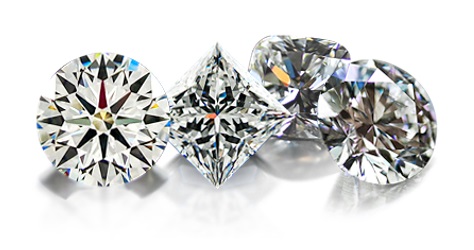
Buy Loose Diamonds

Brian Gavin – The Pioneer of Hearts And Arrows Diamonds

Their carefully crafted signature diamonds displays some of the most beautiful sparkle and cut precision in the world.

In fact, the cut quality of their diamonds represents the top 0.01% of the world’s polished diamond inventory and yet, they are priced affordably. Also significantly lowers the price points of the diamonds. They also offer ideal cut diamonds in various shapes such as princess, cushion and emerald cuts. The cool effect displayed by fluorescence helps diamonds look whiter. If you want to upgrade your diamond in the future, you can always trade-in your diamond for a larger sized or better spec diamond.

Other Related Topics on Buying Unmounted Diamonds:

Conflict diamonds have always been the center of controversy when it comes to diamond jewelry. Almost 100% of the time, you won’t be getting the better deal as opposed to buying one with a certificate. While most stores sell mounted diamonds, sometimes buying an unmounted diamond and getting it set separately is a better idea. The 5 Most Popular Shapes for Engagement Rings
Besides the round brilliant cut, there are other fancy shapes in which diamonds are cut to. Upgrading Your Diamond – Things You Need to Know
It’s been some time since you bought your engagement ring. We show you the things to look out for when you intend to “trade-in” your current diamond for another one. Find out which are the most popular choices amongst the general public in this guide here. Grade Bumping – Unethical Tricks That You Need to Beware Of
By inflating the grades of a diamond that the stone actually possesses, jewelers can sell a gemstone for more and make better profits. Most women like bigger diamonds and have often considered trading up their existing bling for a larger one. Find out how they do this. For example, loose diamonds are better when you need to customize your own setting or want to scrutinize the stone in greater detail. Of course, there are exceptions where the carat size is too small and the cost of sending the stone for certification far outweighs that of the stone’s cost. The measures you can take to protect yourself.

Need More Time? Learn These Tricks to Get rid of Buy Loose Diamonds

House flipping is, essentially, buying a house or property with the intent to sell it for a profit. Where should you buy? If you decide to buy in a new development, you’ll want to attract higher-end home buyers who want the luxury features and space offered in the suburbs. But the logistics can get pretty complicated. There are a lot of decisions to make from the beginning. Both can be done smart or cost you in the long run. Many are curious how much it costs to build a house versus repair. But if something goes wrong — faulty budgeting, timing issues, a crime spike in that up-and-coming neighborhood — you could be stuck with a house you can’t get rid of. If all goes well, you could make a nice profit. If you purchase a house in an up-and-coming neighborhood, you’re banking on the neighborhood increasing in value.

So much in house-flipping depends on the real-estate market, which we all know is cyclical. But remember that if the previous owners couldn’t pay the mortgage, they probably couldn’t pay for the upkeep, either — so you might have to deal with a rodent infestation or a leaky roof. During a boom, flippers have the upper hand and can almost name their price in some areas. If you buy a foreclosed property in an auction or from a bank, you could get a bargain on a vastly underpriced house. If you go for a fixer-upper, you’re committing to improving the home, which takes time and money. But during a slow period, many of these fixed-up homes can sit on the market for months.

But it is possible to flip a house without doing any work on it at all.

Fixer-uppers and foreclosures are what most people think of when flipping comes to mind. Now there’s a trend toward trying to flip houses in new, high-end developments in outlying suburbs. But if the situation isn’t perfect — if gas prices rise, for example, causing home buyers to shy away from big commutes — this kind of flipping becomes pretty risky. But it is possible to flip a house without doing any work on it at all. During the real-estate boom of the early to mid-2000s, flippers could buy new construction homes, hold on to them for a few months, then sell them at a profit. If commercial and retail development (read: big-box superstores) spring up, it could bring in droves of residents.

So why do people flip houses? We’ll address all of these issues as we investigate the art of house flipping. “Flip This House” and “Flipping Out” are just a couple of the many cable offerings that sing the praises of buying a house and quickly selling it at a substantially higher price. You want to find a property that is undervalued or in just bad enough shape that you can invest minimal time and money in it before selling it. How much money can be made by flipping a house? First, get financing. Seller — need to know about flipping before investing? There are people who have made careers out of buying distressed properties. Quickly turning them around for a profit. However, in a real-estate bust, things aren’t quite so easy. While finding the perfect place and knowing your skill set (or having friends with skill sets) is important, budgeting is where new flippers most often fail. So where to start? And what does the average buyer –. And what kind of moral line do you walk by paying bottom dollar to people who have lost their homes?

Best Place Buy Diamonds Online

This step was fairly easy when subprime mortgages were hot. When the market is flat, however, obtaining a mortgage for an investment property is more difficult, and sky-high interest rates empty investors’ wallets when a property sits on the market. In exchange, they were socked with higher interest rates — but when you’re planning on owning the house for only a few months, that’s a minor issue. These mortgages allowed buyers to pay little or no down payment.

Always ask for references from contractors — from clients as well as vendors.

As a result, cash plays a much bigger role in getting that flip started. These houses may require a complete wiring overhaul. Always ask for references from contractors — from clients as well as vendors. We’ll look at how to budget next. It’s just like buying a home you actually plan to live in — you need to cover the mortgage, insurance, taxes, real-estate agent and lawyer’s fees, and that’s about it. The bigger the down payment you can afford, the lower the interest rate. And, of course, it helps to have cash around for fixing up the flip. Can cause many unseen headaches. However, in a softening market, the supply of houses is much greater than demand, so you may own that property for longer than you plan to. That goes for that perfect, underpriced bungalow as well as for that friendly contractor.

Who Buys Diamonds In Atlanta Ga

If you’re working on a fixer-upper, the budget starts to grow when you consider the renovations you’ll need to make. In addition to the structural changes, this can include new cabinetry, counters, hardware, sinks, backsplashes, appliances, floors and lighting. Obviously, you’ll keep costs down if the house is in good structural shape and just needs updated paint and carpets — but things can quickly get pricey, especially if you’re using contractors and outside labor. New hardwood floors and coat of paint may get buyers in the door, but a termite problem can kill a deal quickly. Bathrooms for the best return on your investment. Kitchen upgrades can be expensive, but they make a big impression (granite countertops and wine storage, for example). If your technical skills are lacking here, you’ll have to figure in the cost of labor, too (that includes the time and money lost if you’re waiting on your brother-in-law to finish the electrical wiring). According to most experts, you should add 20 percent to your estimate for the final cost. Most real-estate agents advise fixing up the kitchen. If you overestimate, you get a surprise windfall — but if you underestimate, you get stuck with unexpected bills.

Can You Buy Diamonds In Thailand

Another aspect to consider is curb appeal — the outside of the house. You might need to paint, landscape and fix up the driveway, which adds to the budget. If you’ve bought in a pricey neighborhood, mowing the lawn and repairing the fence may not be enough — there could be homeowners’ association fees. In up-and-coming neighborhoods, you might have to budget for security measures.

So once you have your budget, you can choose your spot, which we’ll discuss next.

Buy Diamonds Las Vegas

House-Flipping on TV
The term “house flipping” came into use only in the late 1990s to early 2000s, and some say that it is already extinct, considering that “flipping” implies a quick profit, which doesn’t happen in a flat real-estate market. Don’t skimp on the research here. “Trading Spaces,” “Extreme Home Makeover” and the grandfather of all remodeling shows, “This Old House,” make remodeling look fun — and easy. Plaster may have fallen on the contractor’s head and the project may have gone over budget, but everyone is happy in the end. Make sure you really investigate the area — drive around during the day and at night, check recent sale prices and find out if any other flippers are sitting on empty houses.

­If you’ve decided to flip a new home, your options are somewhat limited to what’s being built in the area — typically in housing developments. And because the home is sold “as is,” banks might not be as willing to hand out a loan. This is because for a bank to foreclose on a home, it must file court papers against the homeowner, which takes awhile. Some communities also have restrictions on buyers, requiring them to live in the house so the community doesn’t end up a ghost town. It doesn’t give you any clues about the neighborhood, and there’s no way of knowing how old the picture is. If it’s an auction, you’re ruled by that timetable. The photo of the house may be pretty, but there’s no way to guarantee anything else.

Buy Certified Diamonds

Are you crossing a moral line by buying a home that someone has just lost? In a word, no. So, the next homeowner who may be close to losing the homestead will have an easier time selling. Of course, if you’re buying your neighbors’ house for a fraction of what they paid, don’t bet on getting invited to their next barbecue. If you decide to invest in one, you need a high tolerance for risk — and an exit strategy. The consensus from most home remodeling experts is this:

Buy Diamonds In Thailand Free

You can make more money on a really cheap house that you turn into a nice house than a nice house that you turn into a premium house. For most people, this means hiring workers, or having a lot of help. All those expensive upgrades don’t offer nearly as much return on your investment as fixing a cracked foundation does.

Best Way To Buy Diamonds

The more people you get involved, the more coordination is required. You’ll have to keep very close tabs on plumbers, electricians and handymen — or hire a general contractor (which means a big increase in your budget).

Buy Loose Diamonds Nyc

Think local. The closer to home you stick for materials, the more experts you’ll be able to find to help you install them.

Don’t overestimate your work. Sure, that paint job looks nice, but is it really worth a $20,000 markup on the property? Overpricing your property could just leave you with a house that people are wary of because it’s been on the market too long.

Buy Diamonds In Thailand

Don’t get ahead of yourself. First-time flippers may see dollar signs when they think about buying multiple properties, but problems can quickly turn into bankruptcy if you’re using one house’s equity to pay for another’s repairs. Plus, each home requires attention, and unless you’re quitting your day job — which the experts also don’t recommend for newbies — you will probably have plenty to do for one house without thinking about your next flip.

Buy Gold Diamonds

However long you think the renovation will take and whatever you estimate it will cost, just understand that it will probably be much costlier and more time-consuming.

Buy Real Diamonds Online

Nearly every upgrade you skimp on will haunt you, remodelers warn. From cheap carpet to cheap electricians, quality of workmanship is something that flippers cannot fake in a softening market.

Buy Diamonds In Thailande

Depending on your goals and the extent of the renovations, fixer-uppers can take a few months (or less, if you’re really lucky) or years to turn around. Patience is key when waiting for a neighborhood to take off. And while up-and-coming neighborhoods can explode overnight, there will also be fluctuations in crime rates, local business booms and school improvements, all of which can affect your property’s value. If you want to live in your investment as you’re working on it, remember that there may be a lot of sawdust in your future.

Buy Lab Created Diamonds

Location, Location, Location
Where’s the best place to start flipping? That depends on what you consider a good indicator for investing.S. city for a house, if you’re looking for a deal.

You can get into flipping houses without cash, but it’s riskier and generally takes more work up front. If you’ve got a good relationship with your bank, you may also be able to approach them to see if they will fund your investment, though it’s not likely they’ll give you a loan if you have absolutely no money. Some ways to get started include partnering with an investor, getting a loan from a hard money lender or private lender, or even crowdfunding your first flip.

Diamonds To Buy Online

Is it better to flip houses or rent them?

Buy Loose Diamonds Online

If you’re looking for a short-term investment, flipping houses may be a better option for you. Both have unique pros and cons, so it’s best to do your research before making a final decision. If your goal is to earn passive income, renovating a house and turning it into a rental property may be a better option.

Is it profitable to flip houses?

Buy Blood Diamonds

It can be very profitable to flip houses if you follow the buy low, sell high model and can stick to a strict budget, including having a contingency budget to any surprises that crop up during a renovation.

What are the drawbacks of flipping houses?

A major drawback to flipping a house is that you won’t be able to turn a significant (or any) profit if something goes wrong. Buying an undervalued home increases your chances of turning a profit, but fixer uppers and foreclosed homes may end up having expensive problems like foundation, structural, electrical, or plumbing issues. These unexpected issues can eat into your budget and shrink your profit margin, potentially to a point where the flip wasn’t actually worthwhile.

How Buying a House Works

Buy Diamonds Rings Online

How Selling a House Works

Best Way To Buy DiamondsHow House Construction Works

How Green Building Works

How LEED Certification Works

Buy Black Diamonds

How Mortgages Work

Buy Lab Grown Diamonds

How Subprime Mortgages Work

Buy Loose Certified Diamonds

What’s the one thing you can do to increase the value of your home the most?

How Rent To Own Homes Work

Buy Coloured Diamonds

How Real Estate Investment Clubs Work

Best House Flip

Buy Diamonds In Thailande.Com

National Association of Home Builders

Buy Synthetic Diamonds

New House Flip

Reotrans.com

Buy Pink Diamonds Online

Foreclosure.com

Best House Flip http://www.besthouseflip.com

Buy Natural Diamonds

Foreclosure.com. http://www.foreclosure.com

Where To Buy Diamonds

Hiller, Jennifer.” San Antonio Express-News, July 16, 2006.

I am Facing Foreclosure.com. http://www.iamfacingforeclosure.com

Kiviat, Barbara. “The Bust Hits Home.” Time, Sept. 24, 2007.

Buy Canadian Diamonds

Knox, Noelle. “10 mistakes that made flipping a flop.” USA Today, Oct. 22, 2006.

Leland, John. “A Real Estate Speculator Goes From Boom to Bust.” The New York Times, Nov. 9, 2007.

Markels, Alex.” U.S. News & World Report, Aug. 7, 2006.

National Association of Home Builders. http://www.nahb.org

New House Flip. http://www.newhouseflip.com

Pakulski, Gary T. “Foreclosures open doors for area investors.” The Toledo Blade, March 4, 2007.

Price-Robinson, Kathy. “Pardon Our Dust: They had a plan, then reality intruded; Four friends thought they could ‘flip’ a house, but cost overruns, bad timing got in the way.” Los Angeles Times, April 23, 2006.

RealtyTrac.com. http://www.realtytrac.com

Reotrans.com. http://www.reotrans.com