
Best Time to Buy Natural Diamonds: Seasonal Buying Tips
Understanding the Diamond Market Cycle
The market for natural diamonds, like many luxury goods, follows a cyclical pattern that is closely tied to consumer demand, global economic trends, and seasonal retail events. One of the first steps to understanding the best time to buy a natural diamond is grasping the broader market cycle. Conversely, during off-peak times, retailers may offer better prices to move inventory. Recognizing these patterns can help consumers strategically time their purchases to align with periods when demand is lower, and sellers are more motivated to offer competitive pricing. During these peak demand periods, prices may increase slightly due to higher consumer interest.
Buy Loose Certified Diamonds
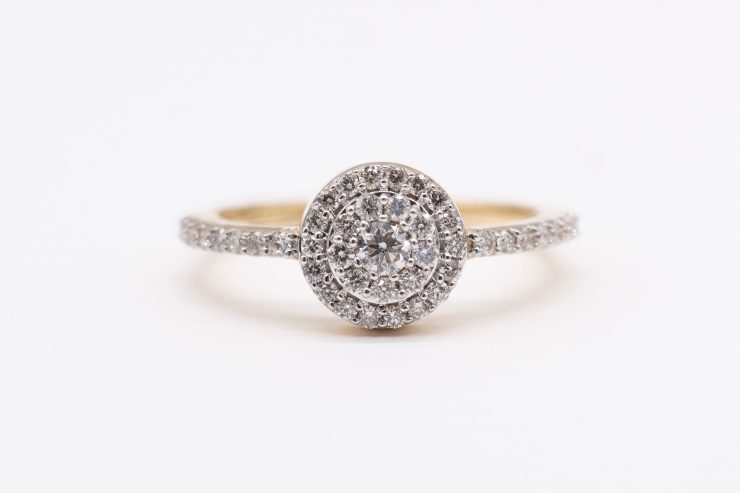
Buying During the Holiday Season: Pros and Cons
While the abundance of inventory and marketing can be advantageous for shoppers in terms of variety and presentation, this period is not always ideal in terms of pricing. Thus, while the holiday season may offer convenience and selection, it may not provide the best value for cost-conscious shoppers seeking to purchase natural diamonds at the lowest possible price. However, the competition among sellers can lead to special promotions, financing offers, or bundled deals, particularly in larger chain stores. Due to increased demand, retailers are less likely to offer significant discounts. Buyers should also be cautious, as the emphasis on emotional purchasing during this time may overshadow budgetary concerns.
Buy Canadian Diamonds
Valentine’s Day and Engagement Season Dynamics
Much like the holiday season, this surge in demand can inflate prices slightly or lead to reduced room for negotiation. This is a strategic time for potential buyers to consider making their purchase, as retailers may be clearing out remaining inventory or adjusting pricing due to decreased foot traffic.
Springtime and Tax Return Season Opportunities
Spring can be an opportune time to buy natural diamonds, particularly due to the financial behavior linked with tax season. Additionally, purchasing a diamond in the spring allows ample time for customization, resizing, or redesigning before popular summer wedding dates, making this season particularly useful for proactive planners. Some retailers anticipate this influx of spending power. Another factor contributing to favorable spring pricing is the relative lull in major gift-giving holidays during this season, reducing overall demand. Buyers may find that jewelers are more willing to negotiate or offer added perks, such as complimentary settings or certifications, during this quieter time. For consumers, this could mean access to spring sales, flexible financing terms, or exclusive collections. Tailor promotional events to coincide with it.
Summer Months and Wedding Season Implications
Summer is traditionally associated with weddings, anniversaries, and milestone celebrations, which naturally influence diamond sales. Moreover, many jewelry buyers during the summer are driven by deadlines tied to wedding dates, which can limit their bargaining power. However, prices during this time can fluctuate depending on the type of diamond and whether it is part of a wedding-related collection. While this season sees high demand for bridal jewelry, including engagement rings, wedding bands, and diamond earrings or necklaces as gifts, it also brings with it a few unique opportunities.
Buy Diamonds In Thailand Free
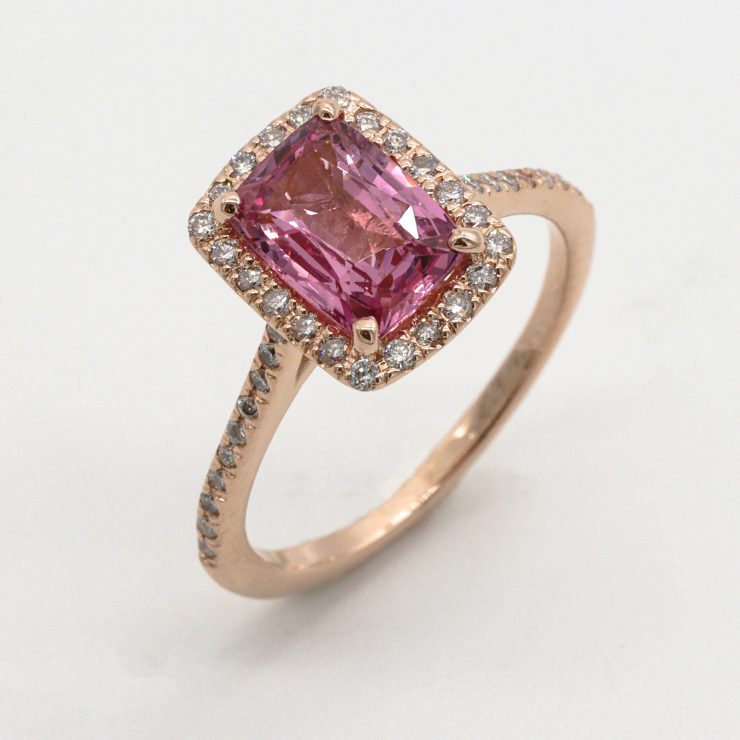
Fall Season: Hidden Gem for Diamond Bargains
This period falls between the summer wedding rush and the year-end holiday buying frenzy, creating a relative lull in consumer activity. Additionally, suppliers may be looking to meet quarterly sales goals during this time, which can result in favorable wholesale pricing that retailers might pass on to buyers. The slower pace also gives consumers more time for due diligence, such as comparing prices, verifying diamond certifications, and customizing settings without the pressure of peak-season shopping. Fall is also a popular time for jewelry expos and trade shows, particularly in cities known for their jewelry districts, providing informed buyers with access to a broader selection and possibly better pricing. Retailers, especially those with inventory remaining from earlier in the year, may offer discounts or run sales events to stimulate interest before the holiday ramp-up begins.
Expert Advice on Timing: What the Professionals Say
Industry insiders and gemologists often recommend that buyers aim for periods just after peak seasons when retailers are more inclined to negotiate and reduce prices on unsold inventory. Experts also advise avoiding last-minute purchases, especially during holidays, as limited selection and emotional decision-making can lead to suboptimal deals. Buyers who follow these indicators closely may be able to identify when prices are trending downward, providing an additional edge. These windows typically offer a good balance between inventory availability and reduced pricing pressure. Planning several months in advance and researching market cycles allows for smarter, more budget-conscious diamond acquisitions.
Online vs. In-Store: Timing and Strategy Differences
The rise of online diamond retailers has introduced new variables in seasonal buying patterns. This agility can benefit consumers during off-peak months when online platforms may quietly lower prices without running broad promotions. Online stores tend to have more dynamic pricing models. Unlike brick-and-mortar stores, which may be constrained by rent and seasonal foot traffic, online sellers often use data analytics to tailor discounts based on buyer behavior, time of year, Cheapest Place To Buy Diamonds In The World – try here – or even browsing history. The key difference is that online shoppers might have more control. Can update prices more frequently based on real-time market conditions. Additionally, many online retailers offer generous return policies and virtual consultations, allowing buyers to confidently purchase during less busy times of the year, with fewer impulse-driven distractions. Time to compare diamond specifications side-by-side.
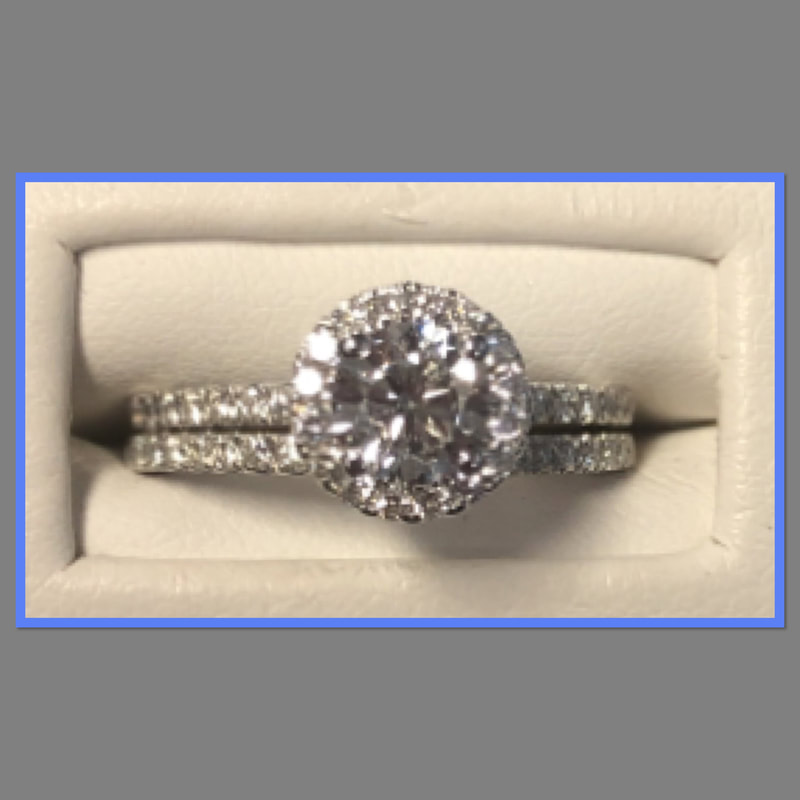
Additional Tips for Timing Your Purchase
Beyond seasonal considerations, several other factors can influence the timing of a natural diamond purchase. Buyers should also look for hidden costs that can affect the overall value, such as certification, setting, resizing, or insurance. Lastly, aligning the purchase with personal milestones-such as an upcoming engagement or anniversary-may justify paying a slight premium if it ensures the diamond arrives in time and meets specific expectations. Currency fluctuations, for instance, can impact diamond pricing for international buyers, especially in countries where diamonds are imported. Additionally, the state of the global economy and consumer sentiment can alter supply chain dynamics, leading to temporary price adjustments. While these events don’t always guarantee the lowest prices, they often provide an opportunity to buy with added value, such as free services, upgrades, or accessories.
Conclusion: Timing Matters, But Preparation is Key
While there is no universally perfect time to buy a natural diamond, understanding the cyclical nature of the diamond industry and aligning one’s purchase with strategic seasonal windows can lead to substantial savings and better buying experiences. Fall and late winter often offer the best balance between pricing, inventory, and negotiation potential. Whether shopping online or in-store, planning ahead and doing thorough research remains the most effective way to ensure a high-quality diamond at a competitive price. However, savvy consumers should not rely solely on seasonal timing; rather, they should combine market awareness, expert insights, and personal needs to determine the ideal moment.